15 Modern Wolf Haircuts You’ll Want to Try This Year

15 Gorgeous Wolf Haircut Inspo for Edgy, Layered Hair Goals
Remember when everyone thought the mullet was dead? Think again. The wolf cut has stormed onto the hair scene like a wild force of nature, and it’s not just another passing trend it’s a full-blown revolution that’s redefining textured, edgy hair for a new generation. Part shag, part mullet, all attitude the wolf haircut is the rebellious love child of two iconic styles that refuses to play by the rules. With its choppy layers, dramatic volume, and that signature “I woke up like this” vibe, this cut has become the go-to choice for anyone craving a bold transformation without sacrificing versatility.
From soft, face-framing whispers to wild, untamed manes that scream rock star energy, the wolf cut adapts to every hair type, face shape, and personal style. Whether you’re scrolling through TikTok, browsing Instagram, or sitting in your stylist’s chair right now, you’ve probably wondered: Which wolf cut is right for me? That’s exactly what we’re unpacking today. We’ve rounded up 15 stunning wolf haircut variations that prove this trend has serious staying power and we’re breaking down everything you need to know to find your perfect match. Ready to unleash your inner wolf? Let’s dive in.
The Origin of the Wolf Haircut
The wolf haircut didn’t just appear out of nowhere it emerged from the perfect storm of Y2K nostalgia, social media influence, and a collective desire for low-maintenance rebellion. While shaggy, layered cuts have existed for decades, the modern wolf cut as we know it today gained explosive popularity in 2020-2021, largely thanks to Korean hairstylists and TikTok creators who reimagined the classic shag-mullet hybrid for contemporary tastes. The name itself is brilliantly descriptive: “wolf” evokes that untamed, wild aesthetic with choppy, textured layers that mimic the rugged, carefree vibe of its namesake animal.
Key Considerations for Your Wolf Haircut
1. Face Shape Compatibility
Not every wolf cut variation flatters every face shape, and this is where customization becomes crucial. Oval and heart-shaped faces have the most flexibility and can pull off virtually any wolf cut style from dramatic, heavy layers to softer, subtler variations. Round faces benefit most from wolf cuts with longer front layers and added height at the crown, which create the illusion of length and balance out fuller cheeks. Square or angular face shapes should opt for softer, more blended layers around the jawline to minimize harsh angles, while avoiding overly choppy or severe cuts that might accentuate width.
2. Hair Texture and Density
Your natural hair texture will dramatically influence how your wolf cut looks and behaves day-to-day, so understanding this relationship is essential. Fine or thin hair can absolutely rock a wolf cut, but it requires strategic layering that creates the illusion of volume without removing too much density opt for longer layers and razored ends rather than heavy, choppy cuts. Thick or coarse hair is actually ideal for wolf cuts since the extensive layering helps remove bulk while maintaining shape and movement; this hair type can handle more aggressive texturing and shorter layers without looking sparse.
3. Maintenance and Styling Commitment
Despite its “effortless” appearance, the wolf cut does require regular maintenance and some styling know-how to look its best. The cut itself needs refreshing every 6-8 weeks to maintain its shape and prevent the layers from growing out unevenly or losing that distinctive choppy texture skipping trims can quickly turn your intentional wolf cut into an unintentional mess. Daily styling varies depending on your hair type: while naturally textured hair might only need a texturizing spray and scrunch routine, straighter hair typically requires blow-drying with a round brush or diffuser, plus sea salt spray or mousse to create piece-y, separated layers.
15 Wolf Haircuts That Make You Look Instantly Stylish
15 Wolf Haircuts blend the edgy layers of a shag with the bold shape of a mullet, creating a trendy, effortless look. This haircut is all about volume, texture, and movement, making it perfect for anyone who loves a stylish yet low-maintenance vibe. From soft and subtle to bold and wild, wolf haircuts suit different hair types and personalities with ease.
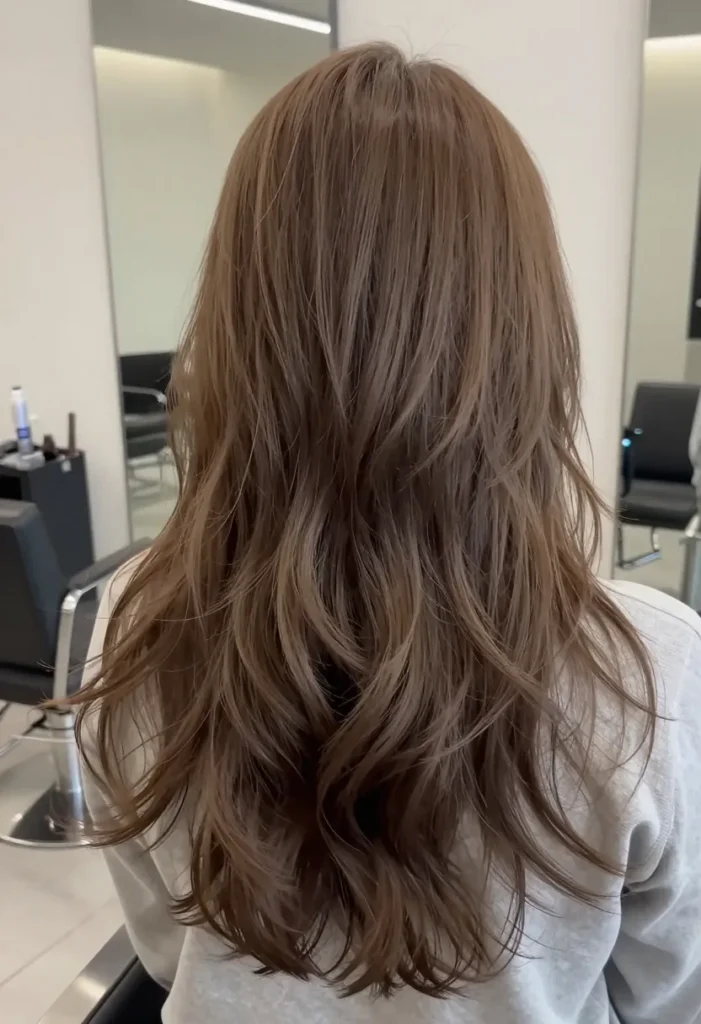
1. Long Layered Cut
The long layered wolf cut is the perfect gateway style for anyone wanting to test the wolf cut waters without sacrificing length. This variation features cascading layers that start around the cheekbones and flow downward, creating maximum movement and dimension while keeping hair past the shoulders. The beauty of this cut lies in its versatility the layers add body and bounce to lifeless hair while maintaining enough length for updos, braids, and ponytails when needed. Unlike traditional long haircuts that can feel heavy and one-dimensional, the long layered wolf cut incorporates strategically placed shorter pieces around the crown and face that create volume and frame your features beautifully.
Styling Tip: Blow-dry with a large round brush focusing on the mid-lengths to ends, lifting at the roots for volume. Apply a lightweight texturizing spray throughout while hair is still slightly damp, then scrunch sections as you dry to enhance natural movement and create that piece-y, separated layer effect.
Best For: Oval, heart, and long face shapes; medium to thick hair density; anyone wanting wolf cut style while maintaining versatile length for various hairstyles.
2. Wavy Face-Framing Style
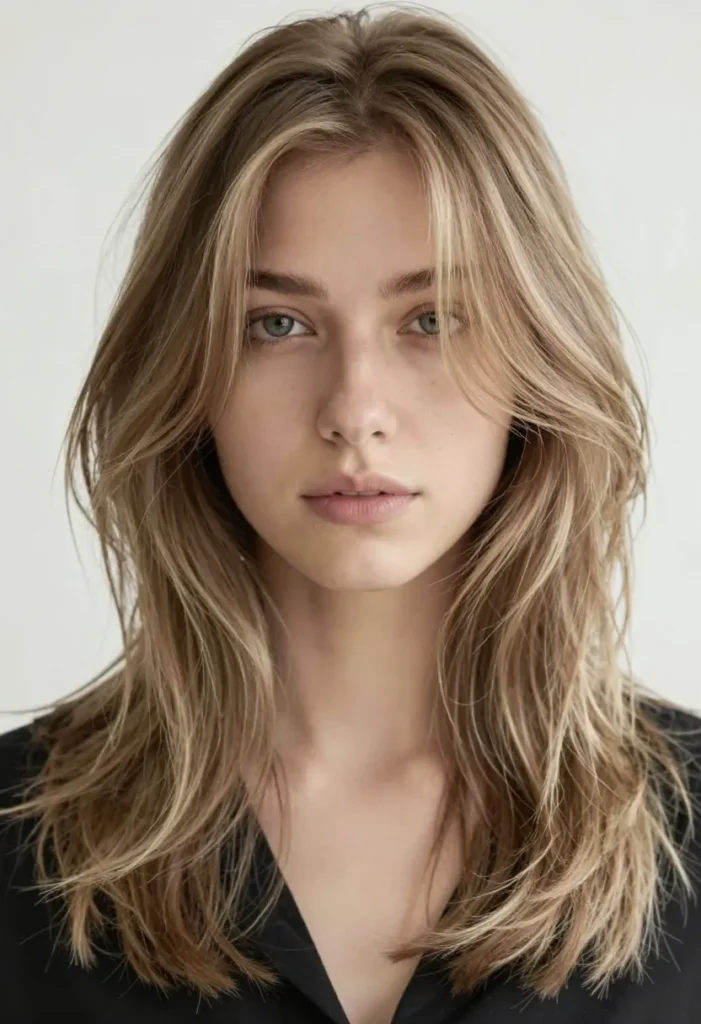
The wavy face-framing wolf cut is pure effortless chic, designed specifically to highlight and enhance your facial features with soft, romantic layers that cascade around your face. This variation emphasizes shorter, wispy layers concentrated around the cheekbones, jawline, and chin area that create a flattering halo effect, while the back and sides maintain slightly more length for balance. The wavy texture is key here whether natural or created with styling tools as it softens the choppy layers and gives the cut a dreamy, lived-in quality that’s both sophisticated and carefree.
Styling Tip: Use a 1-inch curling iron or wand to create loose waves, focusing on the face-framing pieces first. Scrunch in sea salt spray while hair is still warm from styling, then gently tousle with your fingers to break up the curls into natural-looking waves.
Best For: Round, square, and oval face shapes; wavy or easily styled hair types; anyone seeking a feminine, romantic take on the wolf cut trend.
3. Mid-Length Chop with Bangs
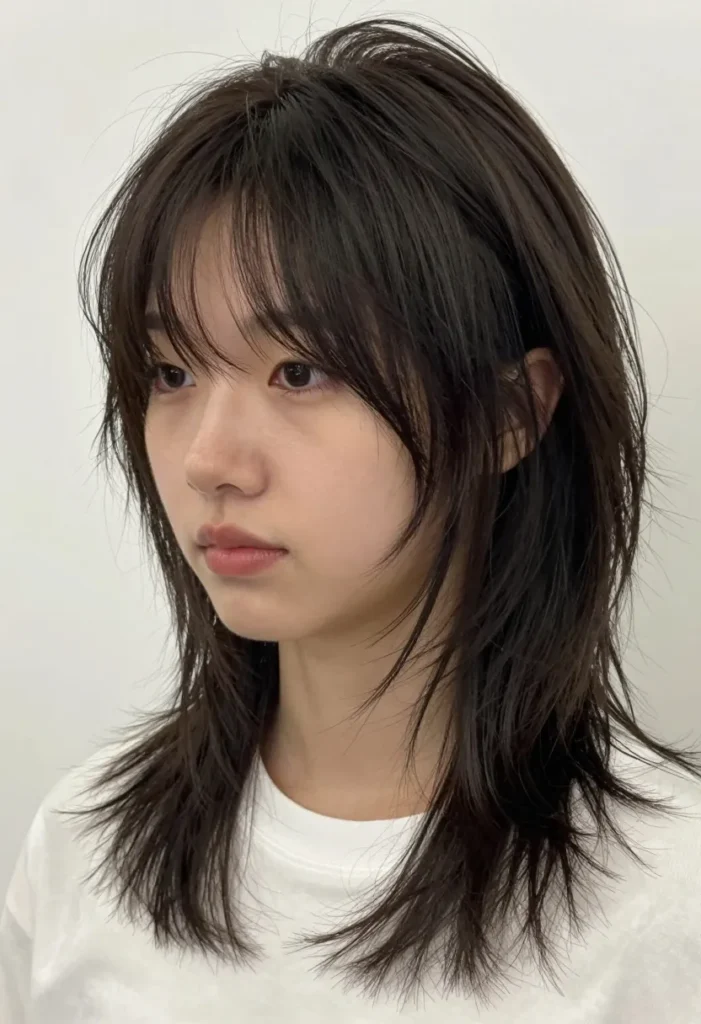
The mid-length wolf cut with bangs strikes the ultimate balance between edgy and accessible, landing somewhere between your chin and collarbone for maximum versatility and impact. This variation incorporates choppy, textured layers throughout the cut combined with bangs whether wispy, curtain, or full fringe that dramatically transform your entire look and add serious personality. The mid-length allows for significant layering without losing too much density, creating that voluminous, shaggy aesthetic that defines the wolf cut while remaining practical for everyday wear.
Styling Tip: Blow-dry bangs first using a round brush, directing them to your preferred position (side-swept, center-parted, or straight). For the rest, rough-dry with your fingers, then use a texturizing paste on the ends to create definition and separation in the layers.
Best For: Heart, oval, and long face shapes; all hair textures; anyone wanting a bold transformation with bangs that completely refreshes their look.
4. Two-Tone Wispy Style
The two-tone wispy wolf cut is for the bold and adventurous, combining dramatic color contrast with feathery, ultra-textured layers that create stunning visual impact and dimension. This variation features color blocking typically a darker base with lighter ends, or contrasting panels of color that’s further emphasized by the choppy, wispy layering technique that makes each color section pop individually. The wispy texture is achieved through point-cutting and razor techniques that create those delicate, feathered ends characteristic of this style, giving the hair an almost ethereal, floating quality despite its edgy silhouette.
Styling Tip: Enhance the two-tone effect by applying different products to each color section use shine serum on darker areas and texturizing spray on lighter sections. Style with a diffuser or air-dry to preserve the wispy, feathered texture, avoiding heavy brushing that can blend the colors too much.
Best For: Oval and heart face shapes; fine to medium hair that benefits from the illusion of added texture; creative individuals ready for a high-impact, fashion-forward statement.
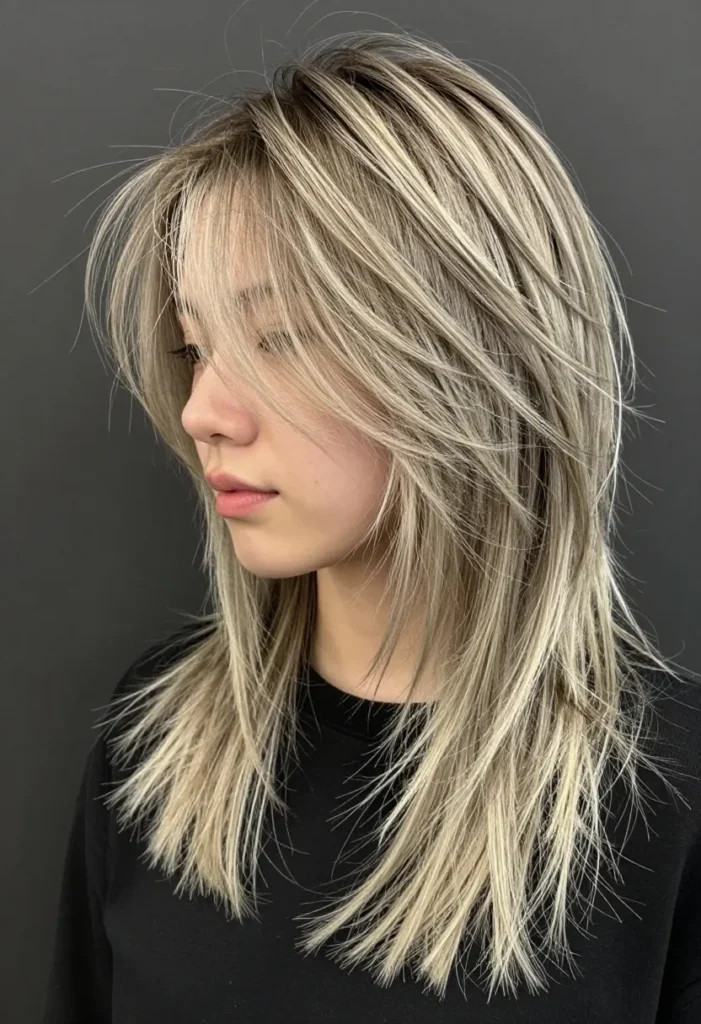
5. Shoulder-Length Flippy Cut
The shoulder-length flippy wolf cut channels major ’70s energy with its bouncy, outward-flipping ends that create a playful, retro-inspired silhouette with modern edge. This variation sits right at shoulder level where hair naturally wants to flip outward, and the cut strategically enhances this tendency with layers that kick out at the ends for that signature flippy movement. Unlike inward-curling bobs, this cut embraces the outward flip, creating width at the shoulders that balances beautifully with shorter, voluminous layers at the crown. The layering throughout prevents the style from looking too heavy or triangular, while the flipped ends add personality and movement that keeps the look from feeling dated.
Styling Tip: Blow-dry using a medium round brush, rolling the ends outward away from your face as you dry. Finish with a light hold hairspray to maintain the flip, and use your fingers to slightly separate and piece out the ends for added texture and definition.
Best For: Oval, heart, and diamond face shapes; straight to wavy hair types; anyone wanting a playful, retro-inspired wolf cut with built-in movement and bounce.
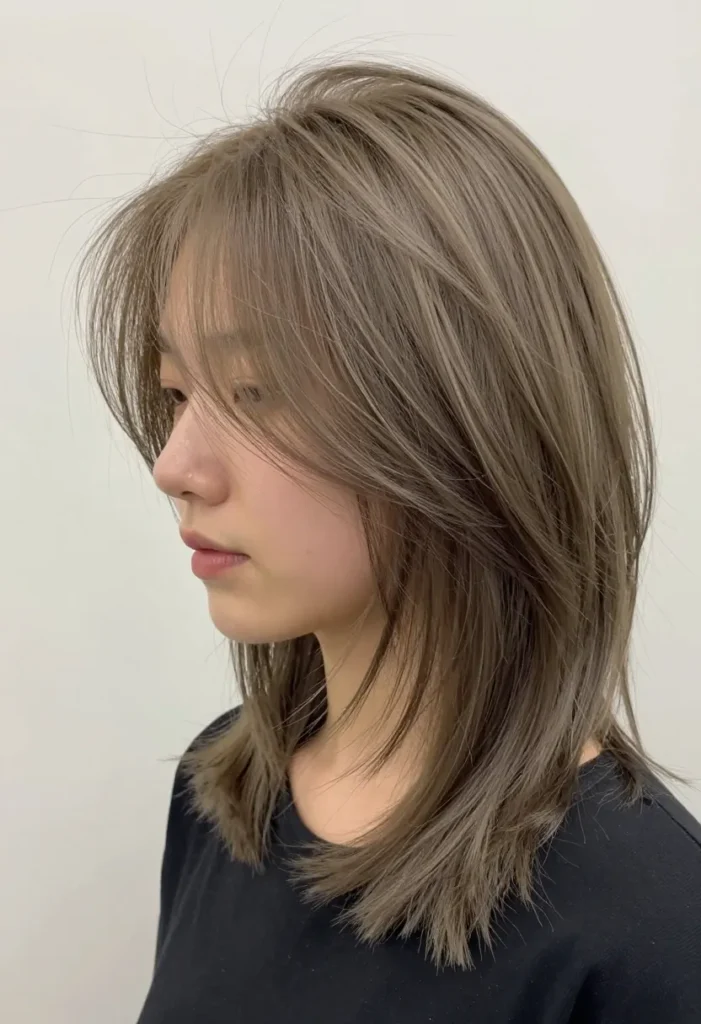
6. Long Choppy Mullet Style
The long choppy mullet-style wolf cut is business in the front, party in the back literally featuring dramatic length difference between the front and back sections that creates serious visual interest and edge. This variation keeps the front and side layers relatively shorter (typically around chin to shoulder length) while allowing the back to grow significantly longer, sometimes reaching mid-back or beyond for maximum mullet effect. The “choppy” element comes from aggressive texturizing and point-cutting throughout, creating jagged, separated ends rather than blunt lines, which modernizes the classic mullet and gives it that wolf cut texture.
Styling Tip: Apply volumizing mousse to damp hair, focusing on the shorter front sections. Blow-dry the front pieces straight or with slight bend, while scrunching or diffusing the longer back section to enhance texture. Use texturizing spray throughout to emphasize the choppy, piece-y finish.
Best For: Oval and heart face shapes; medium to thick hair density; bold personalities ready to fully commit to the mullet-wolf hybrid aesthetic.
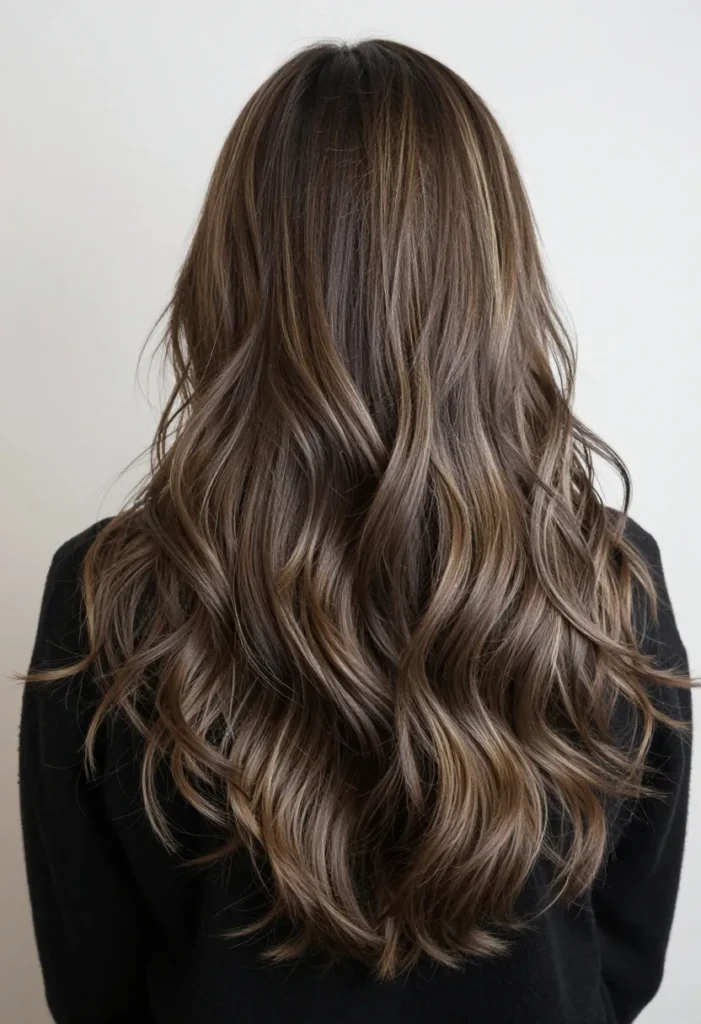
7. Shaggy Crop with Short Layers
The shaggy crop with short layers is the wolf cut’s punkier, more daring cousin, featuring dramatically short length throughout with heavily textured, choppy layers that create maximum volume and attitude in a compact package. This variation typically sits above the shoulders, often around ear to chin length, with layers concentrated at the crown and throughout the top that stand up and out for serious lift and dimension. The “shaggy” quality comes from extensive razoring and point-cutting that creates those signature irregular, feathered ends nothing about this cut is precise or uniform, and that’s exactly the point.
Styling Tip: Work a small amount of texturizing cream or pomade through damp hair, focusing on the crown and top layers. Use your fingers to scrunch and lift sections as you blow-dry on medium heat, creating piece-y separation and volume. Finish by tousling with your hands for that perfectly imperfect shaggy texture.
Best For: Oval, heart, and diamond face shapes; fine to medium hair that needs volume; low-maintenance personalities who want maximum impact with minimal styling effort.
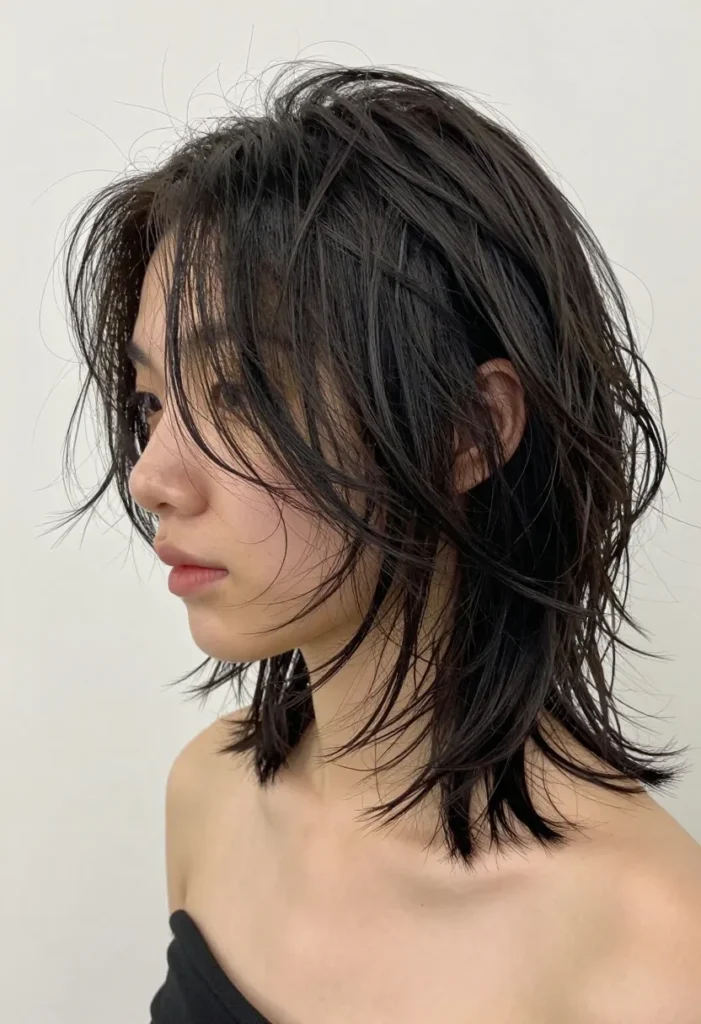
8. Edgy Bixie for Wavy Hair
The edgy bixie wolf cut combines the best elements of a bob and pixie (hence “bixie”) with wolf cut layering, specifically designed to work with wavy hair texture for a perfectly tousled, rock-and-roll aesthetic. This variation features short, textured layers throughout typically ranging from 2-4 inches in length with slightly longer pieces around the face and nape that prevent it from reading as a traditional pixie cut. The wavy texture is essential here, as it brings the choppy layers to life and creates natural volume and movement that would require significant effort to achieve on straight hair.
Styling Tip: Apply curl-enhancing mousse to wet hair and scrunch thoroughly to encourage wave pattern. Diffuse on low heat while scrunching sections upward, or air-dry for a more relaxed texture. Once dry, use a small amount of pomade to piece out and define individual waves and create separation.
Best For: Oval, heart, and oblong face shapes; naturally wavy to curly hair textures; anyone wanting the ease of short hair with maximum texture and personality.
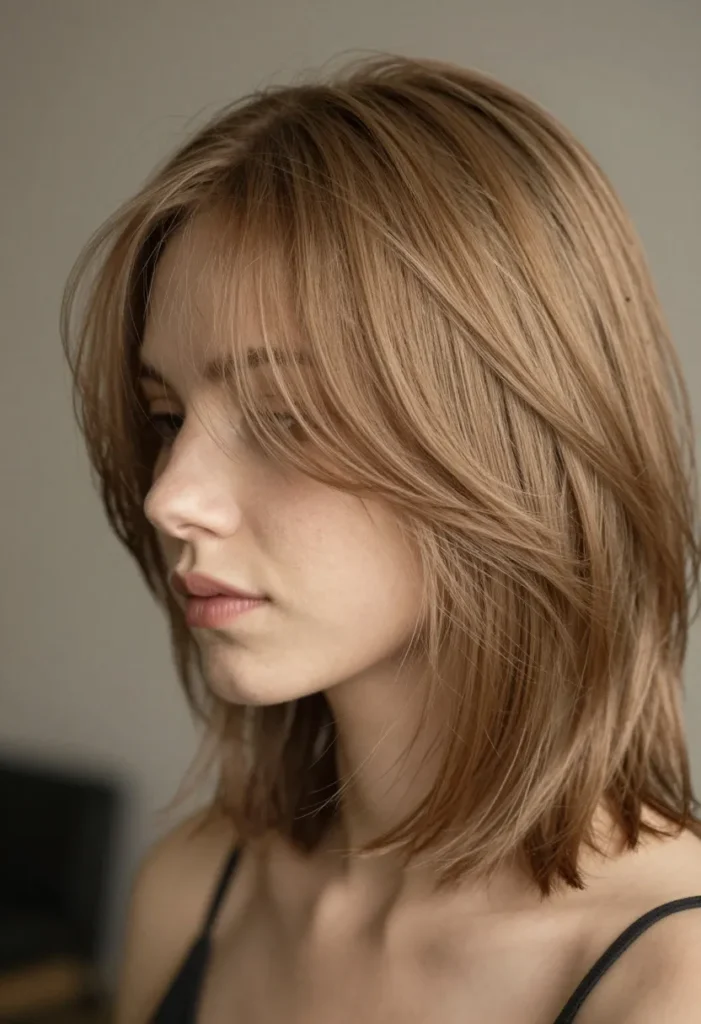
9. Softly Layered Chop with Bangs
The softly layered chop with bangs is the gentler, more romantic interpretation of the wolf cut, featuring blended layers and wispy bangs that create a feminine, approachable vibe while maintaining that signature textured aesthetic. This variation eschews the heavy, choppy cuts of edgier wolf styles in favor of softer, more graduated layering that creates movement without harsh lines or dramatic texture. The layers are strategically placed to add volume and dimension but blended seamlessly so the cut feels cohesive and polished rather than intentionally messy.
Styling Tip: Blow-dry with a large paddle brush for smoothness, then use a 1.5-inch curling iron to add gentle bends through the mid-lengths and ends. Lightly brush through the curls with your fingers for soft waves, and finish with a flexible hold spray that maintains movement without stiffness.
Best For: All face shapes, especially round and square; fine to medium hair textures; those wanting wolf cut style with a softer, more polished aesthetic suitable for any setting.
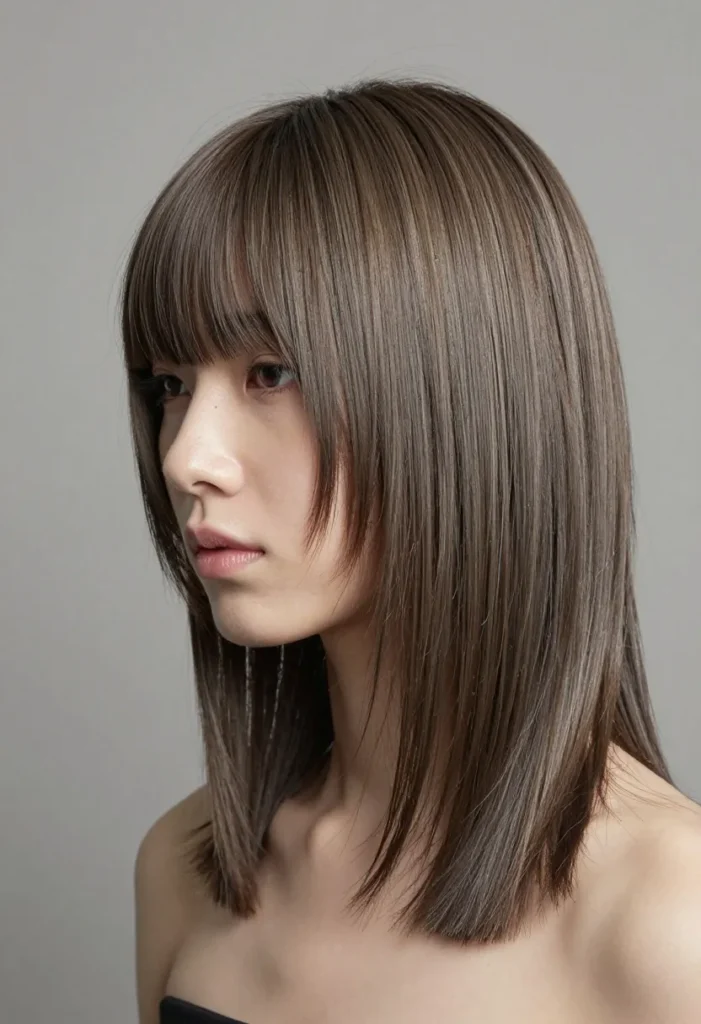
10. Straight Shag with Arched Fringe
The straight shag with arched fringe is a sleek, structured take on the wolf cut that works specifically with straight hair texture to create clean lines and geometric appeal with subtle edge. This variation features heavily layered shag-style cutting throughout with shorter layers at the crown graduating to longer lengths at the bottom combined with an arched or curved fringe that sweeps across the forehead in a deliberate, shaped manner. The straight texture allows each layer to be clearly visible and defined, creating a more graphic, intentional look compared to the tousled messiness of wavy or curly wolf cuts.
Styling Tip: Blow-dry straight using a paddle brush for sleekness, paying special attention to the arched fringe use a round brush to create the curved shape. Apply smoothing serum to ends and use a flat iron on lower heat settings to emphasize the straight texture and create piece-y separation in the layers.
Best For: Oval, heart, and diamond face shapes; naturally straight hair or those willing to straighten; anyone wanting a polished, editorial-inspired wolf cut with clear structure
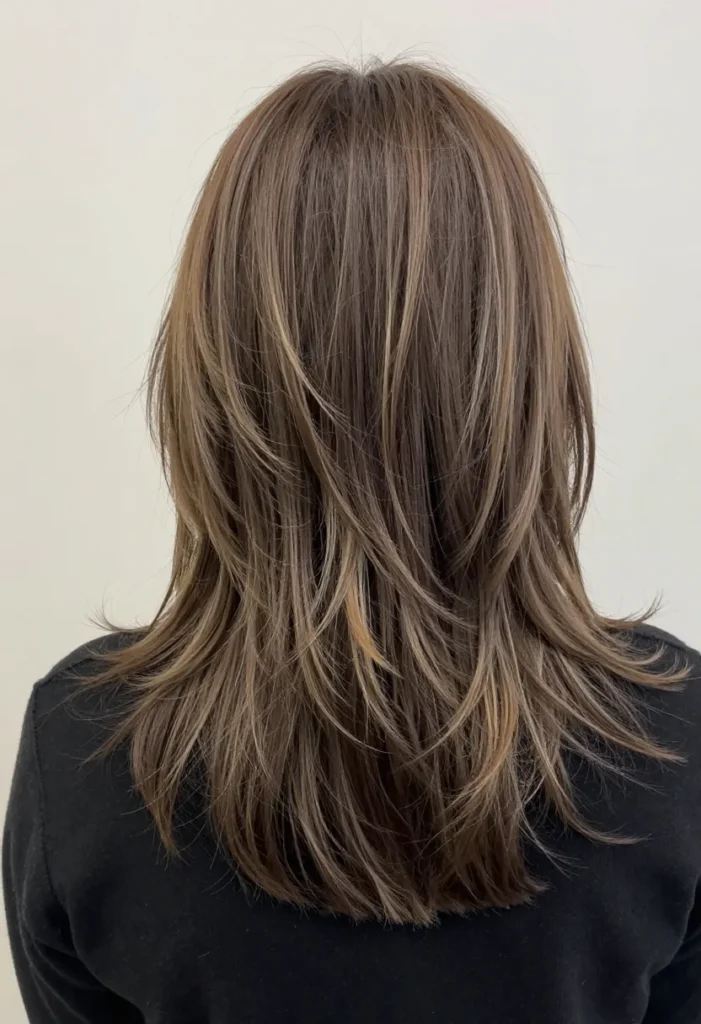
11. Classic Style with Bangs
The classic wolf cut with bangs is the foundational, most recognizable version of this trend think of it as the blueprint that all other variations build upon, featuring balanced layering, medium length, and face-framing bangs that define the aesthetic. This variation typically sits between chin and shoulder length with evenly distributed layers throughout that create volume and movement without favoring any particular area over another. The bangs usually curtain-style or wispy fringe are a crucial component that ties the whole look together and adds that signature wolf cut character.
Styling Tip: Start with damp hair and apply volumizing mousse from roots to ends. Blow-dry the bangs first with a round brush, then rough-dry the rest with your fingers while lifting at the roots. Finish by scrunching in texturizing spray and using your hands to piece out the layers for natural separation.
Best For: All face shapes with appropriate layer placement; all hair textures and densities; wolf cut beginners wanting the full experience without extreme variations.
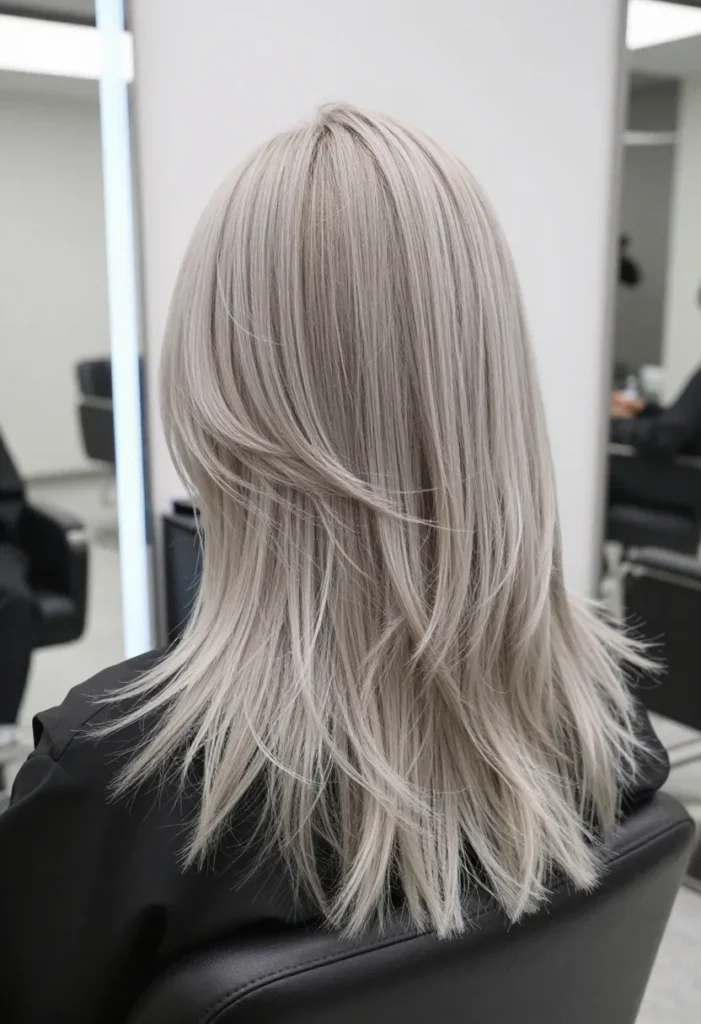
12. Medium Shag with Razored Ends
The medium shag with razored ends elevates the wolf cut with advanced cutting techniques that create ultra-fine, feathered texture throughout for a lived-in, effortlessly cool aesthetic. This variation uses razor-cutting rather than traditional shears to create the layers, resulting in softer, more irregular edges that blend seamlessly and create that signature shaggy, piece-y texture. The medium length typically falling between chin and collarbone offers the sweet spot for showcasing the razored technique, as there’s enough hair to create dramatic layering without going too short.
Styling Tip: Embrace the natural texture by applying leave-in conditioner and texturizing spray to damp hair. Scrunch sections while air-drying or using a diffuser on low heat to enhance the feathered, piece-y ends. Avoid brushing once dry—instead use fingers to gently separate and arrange the razored layers.
Best For: Oval, heart, and long face shapes; thick to coarse hair textures; anyone seeking an effortlessly cool, low-maintenance wolf cut with sophisticated edge.
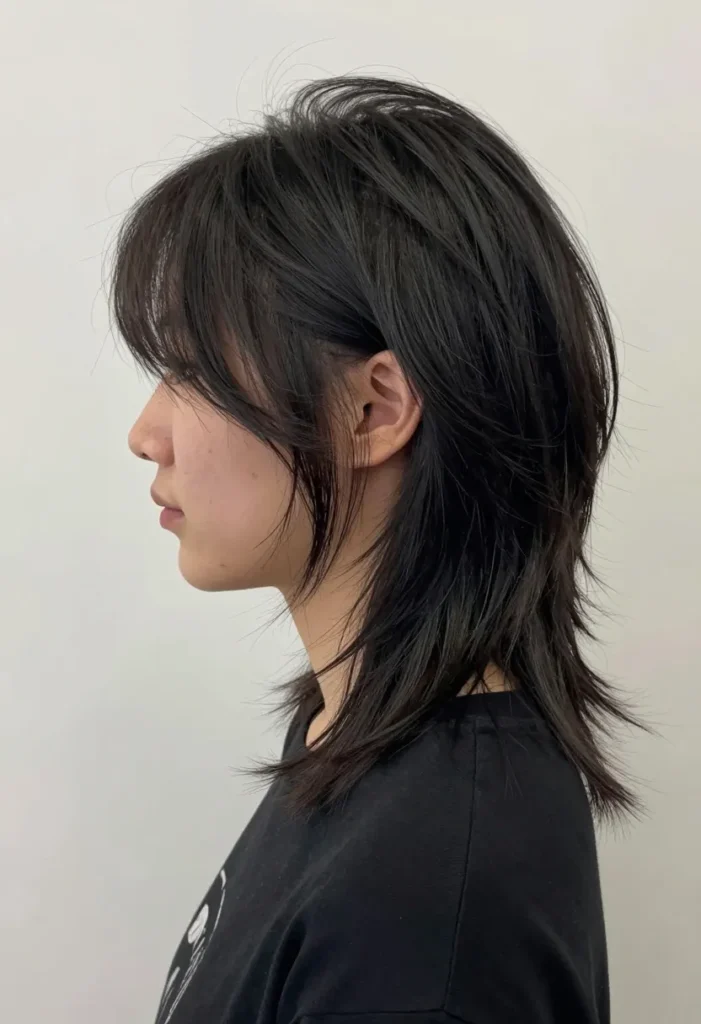
13. Modern Mullet Style
The modern mullet-style wolf cut is a contemporary reimagining of the controversial ’80s classic, featuring strategic layering and updated proportions that make it fashion-forward rather than dated. This variation maintains the mullet’s signature short front and sides with longer back, but softens the transition through extensive layering that blends the sections more seamlessly than traditional mullets. The “modern” element comes from the texture choppy, piece-y layers throughout rather than the smooth, blow-dried finish of vintage mullets and the proportions, which are typically less extreme (though still dramatic).
Styling Tip: Create contrast between sections by blow-drying the front and sides straight or with minimal bend, while enhancing texture in the longer back with scrunching, braiding when wet, or using a diffuser. Apply texturizing spray throughout and use pomade to piece out ends and define the mullet shape.
Best For: Oval and heart face shapes; medium to thick hair density; bold, fashion-forward individuals ready to embrace the rehabilitated mullet trend.
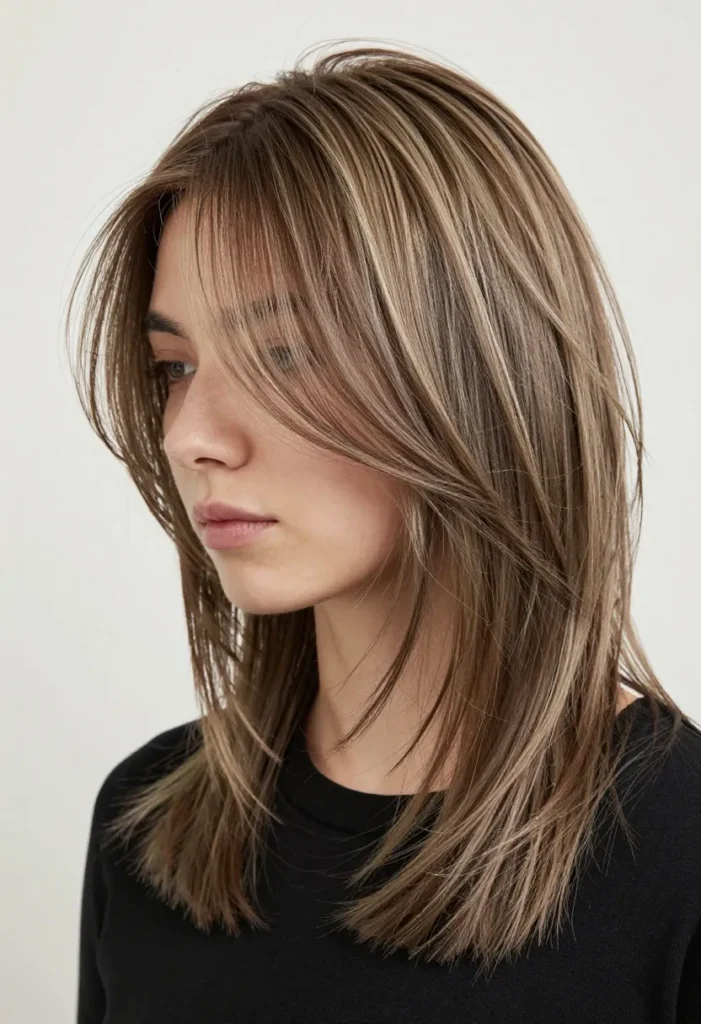
14. Sharp Style with Curtain Bangs
The sharp-style wolf cut with curtain bangs delivers precision and edge through clean, intentional layering combined with the face-framing perfection of curtain bangs that part down the center. This variation features more structured, deliberate layer placement compared to the intentionally messy variations, creating a polished, editorial-worthy look that still maintains wolf cut attitude. Curtain bangs are the star here parted in the middle and swept to both sides of the face, typically hitting around cheekbone length they create symmetry and draw attention to your eyes while softening the overall look.
Styling Tip: Blow-dry curtain bangs first with a round brush, rolling them away from the center part on each side. For the rest, use a flat iron or straightening brush to create sleek texture with slight bends at the ends. Apply shine serum for polish and use a fine-tooth comb to create sharp part lines.
Best For: Oval, heart, and diamond face shapes; straight to slightly wavy hair textures; those wanting a sophisticated, polished wolf cut with editorial appeal.
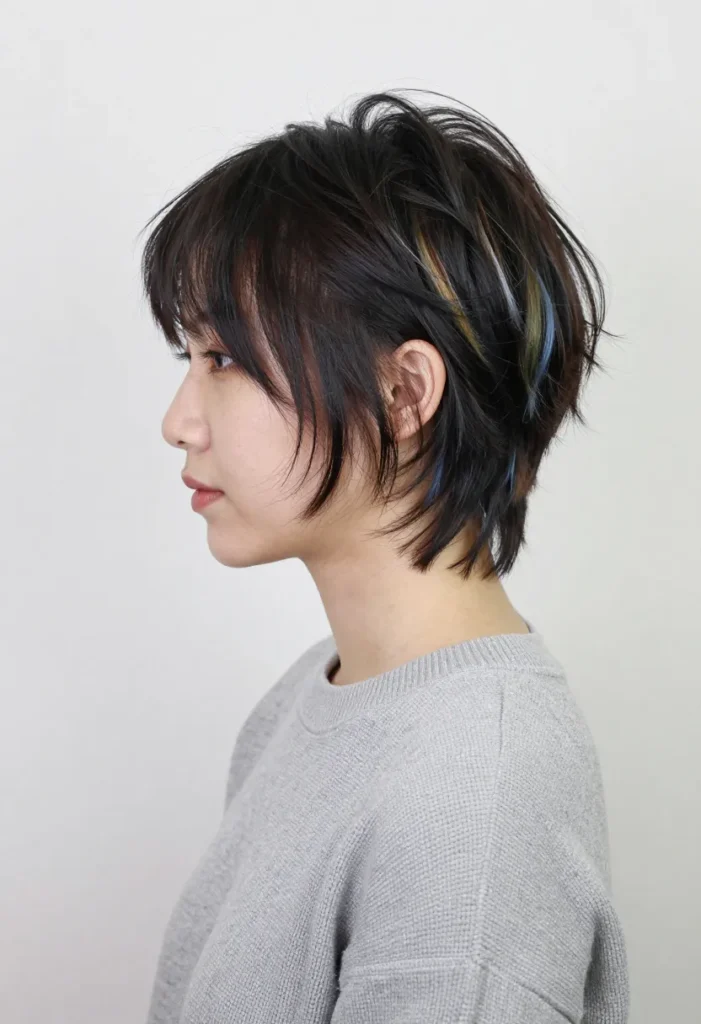
15. Short Crop with Underlayer Color
The short crop with underlayer color is the ultimate statement-making wolf cut, combining dramatic length reduction with hidden pops of color that create surprise and dimension when hair moves. This variation features significantly short length throughout typically ear to chin length with heavily textured, choppy layers that create maximum volume and shape despite minimal length. The underlayer color is the game-changing element: hair underneath (usually at the nape, sides, or interior layers) is dyed a contrasting or complementary color that peeks through the top layers, creating a multi-dimensional effect that changes depending on movement and styling.
Styling Tip: Keep styling minimal to showcase both the cut and color apply lightweight styling cream to damp hair and tousle with your fingers while air-drying or using a diffuser. Occasionally lift top layers or style them differently to reveal the underlayer color, and use your fingers to create piece-y separation that shows off the dimension.
Best For: Oval, heart, and diamond face shapes; all hair textures; adventurous individuals wanting maximum impact through both cut and color in a low-maintenance package.
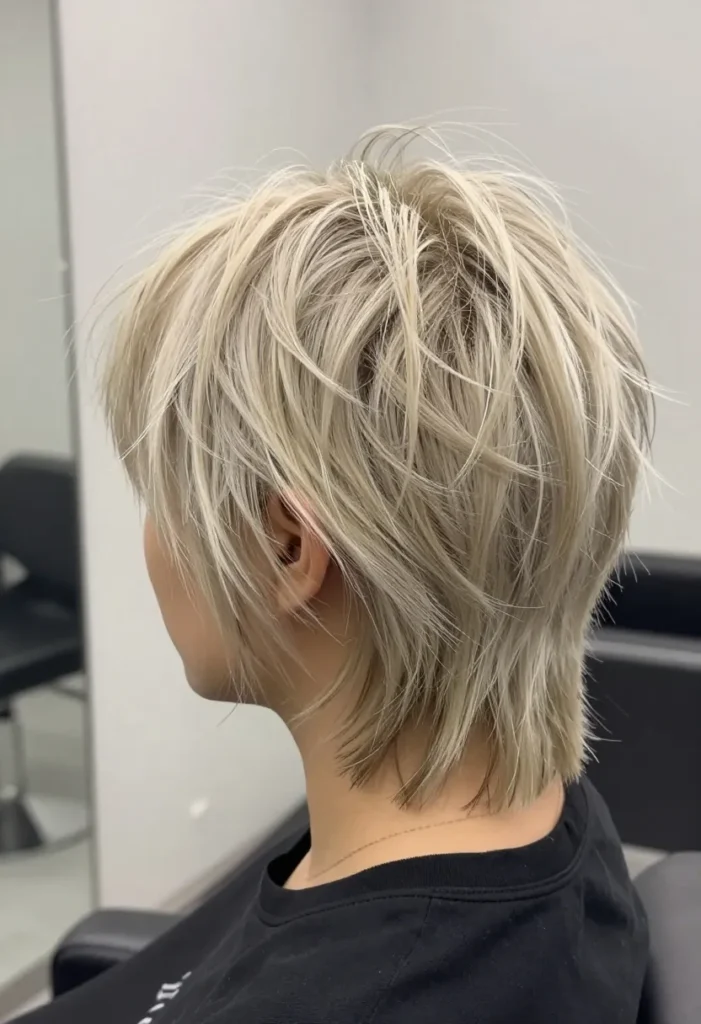
Maintenance Tips for Your Wolf Haircut
1. Regular Trims
The wolf haircut’s signature choppy, textured layers are what make it special, but they’re also what make regular trims absolutely non-negotiable if you want to maintain the style’s integrity and shape. Unlike one-length cuts that can grow out gracefully for months, the wolf cut relies on precise layer placement and deliberate length differences that quickly lose their definition as hair grows. Ideally, you should schedule a trim every 6-8 weeks to keep the layers fresh, the ends healthy, and that intentional “shaggy” look from crossing over into actual messy territory.
2. Use the Right Styling Products
The difference between a wolf cut that looks effortlessly cool and one that looks accidentally messy often comes down to product selection and application technique the right products enhance your natural texture while the wrong ones can weigh down layers, create unwanted grease, or fail to provide enough hold for the style to maintain its shape. Texturizing spray or sea salt spray is arguably the most essential product in any wolf cut owner’s arsenal, as it creates that piece-y, separated texture and enhances natural wave or curl patterns while adding grit and hold that keeps layers defined throughout the day.
3. Add Volume When Needed
Volume is the lifeblood of a successful wolf cut without it, the style loses its dimensional, multi-layered impact and can read as simply messy or unkempt rather than intentionally edgy and textured. The good news is that the wolf cut’s layered structure naturally creates volume, but understanding how to enhance and maintain that lift throughout the day (or revive it on second and third-day hair) is crucial for keeping your cut looking its best. The foundation of volume starts at the wash stage: when conditioning, focus product only on mid-lengths to ends and completely avoid the roots and crown area, as conditioner residue at the scalp creates flatness that’s difficult to overcome with styling.
FAQs
Conclusion
The wolf haircut has proven itself to be far more than a fleeting trend it’s a versatile, inclusive style revolution that celebrates texture, individuality, and that perfect balance between edgy and effortless. From the soft, romantic appeal of wavy face-framing styles to the bold statement of modern mullets with underlayer color, these 15 variations demonstrate that there’s truly a wolf cut for everyone, regardless of hair type, face shape, or personal aesthetic. What makes the wolf haircut so enduringly popular is its democratic nature.
Unlike rigid, high-maintenance styles that demand perfection, the wolf cut embraces your hair’s natural texture and quirks, working with what you’ve got rather than against it. It’s low-maintenance enough for busy lifestyles yet distinctive enough to make a real statement. It looks equally at home in creative workspaces, professional settings, or weekend adventures. And perhaps most importantly, it gives you permission to embrace imperfection those piece-y layers and tousled texture that define the style actually look better with a bit of natural mess and movement.


