20 Types of Braids for Female to Try Your Next Hairstyle

20 Modren Types of Braids for Black Women: How to Create Them?
Close your eyes and picture a young girl sitting between her grandmother’s knees, feeling gentle fingers weave through her hair in a rhythm as old as civilization itself. This simple act of braiding has connected generations across every corner of the globe for thousands of years, carrying with it stories of culture, identity, and artistry that transcend language and time. From the intricate cornrows adorning African warriors to the elegant plaits of Renaissance nobility, from the practical fishtails of Scandinavian fisherwomen to the elaborate crown braids of Eastern European brides, braiding has been humanity’s way of transforming hair into living art.
What began as a practical solution to keep hair neat and manageable has evolved into one of the most versatile and expressive forms of hairstyling the world has ever known. Today, braids have experienced a remarkable renaissance. Walk down any city street, scroll through social media, or attend any fashion event, and you’ll witness an explosion of braided creativity that honors ancient traditions while pushing the boundaries of modern Types of Braids.
The Ancient Origins of 20 Epic Chic Types of Braids
The history of braiding stretches back over 30,000 years, making it one of humanity’s oldest forms of personal adornment. Archaeological evidence reveals that our ancestors were creating intricate braided hairstyles long before the invention of written language, using braids not merely as decoration but as powerful Types of Braids symbols of identity, status, and belonging.
In ancient Africa, braiding emerged as both an art form and a social tradition. The patterns woven into hair told stories about a person’s tribe, marital status, wealth, and social position. West African communities developed elaborate braiding techniques that could take hours or even days to complete, with women gathering together to braid each other’s hair while sharing stories, wisdom, and strengthening community bonds. These weren’t simply hairstyles but intricate communication systems, with each pattern carrying specific meaning and significance.
Key Considerations for 20 Different Types of Braids
1. Hair Type and Texture Compatibility
Understanding your Types of Braids unique characteristics is essential for selecting Types of Braids that will not only look beautiful but also remain secure and healthy. Different braid styles work better with specific hair types, and choosing the right match can mean the difference between a style that lasts days versus one that falls apart in hours.
Thick, coarse hair tends to hold Types of Braids exceptionally well and can support more intricate, heavier styles like box Types of Braids, Fulani braids, or chunky Dutch braids. The natural texture provides grip that keeps sections defined and secure. However, those with thick hair should be mindful of tension, as overly tight braiding can lead to traction alopecia and scalp damage over time.
2. Lifestyle and Maintenance Requirements
Your daily routine, activity level, and the time you can dedicate to hair care should significantly influence which Types of Braids you choose. Some braids are incredibly low-maintenance and can last for weeks, while others require daily refreshing and careful handling. For active individuals, athletes, or those with demanding schedules, protective Types of Braids styles offer the ultimate convenience.
Box braids, cornrows, and passion twists can last anywhere from two to eight weeks with proper care, requiring minimal daily styling. These Types of Braids styles keep hair securely contained during workouts, swimming, or other physical activities, making them ideal for Types of Braids. However, they do require an initial time investment for installation and regular maintenance to keep edges neat and the scalp clean.
3. Skill Level and Time Investment
Honestly assessing your Types of Braids abilities and the time you have available is crucial for choosing a style you can realistically achieve or maintain. Nothing is more frustrating than attempting an advanced technique without the necessary skills or time commitment. Beginner-friendly braids include the classic three-strand braid, simple side braids, and basic rope braids.
These fundamental techniques can be mastered with just a few practice sessions and typically take only 5-15 minutes to complete. They’re perfect for those new to Types of Braids or anyone wanting a quick styling option. YouTube tutorials and practice on a willing friend or family member can help build confidence before attempting these styles on yourself.
20 Beautiful Types of Braids to Transform Your Look
Types of Braids come in countless variations, each offering its own unique aesthetic, cultural significance, and practical benefits. Whether you’re searching for a quick everyday style, a protective option for natural hair, or an elaborate look for special occasions, understanding the different Types of Braids helps you choose the perfect style for your needs.
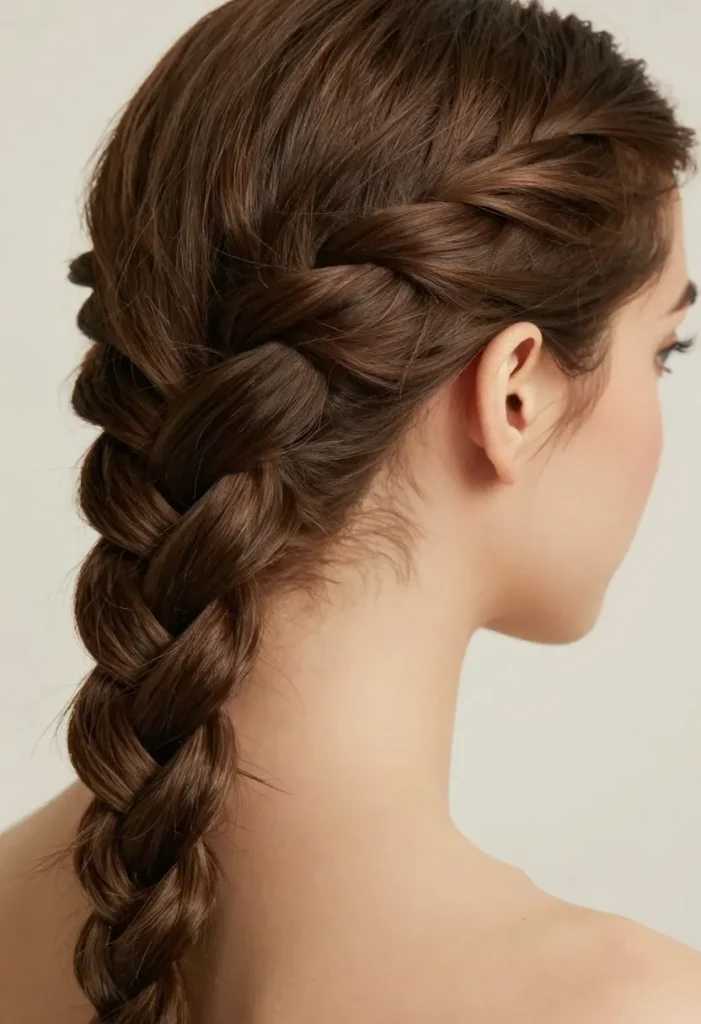
1. French Braid
The French Types of Braids is perhaps the most iconic and recognizable Types of Braids in Western culture. This elegant technique involves gradually incorporating new sections of hair as you braid from the crown of the head downward, creating a seamless, woven appearance that lies flat against the scalp. The braid appears to be “growing” from the head itself, with three sections continuously fed with additional hair at each crossing. The structure of a French braid distributes tension evenly across the scalp, making it comfortable for all-day wear.
Styling Tip: Start with slightly damp or day-old hair for the best grip. Apply a light texturizing spray or dry shampoo to add friction, which prevents slippery, freshly washed hair from sliding out of the Types of Braids. Keep consistent tension throughout and take small, even sections for a neat finish.
Best For: Professional settings, formal events, athletic activities, and everyday wear. Ideal for medium to long hair of all textures. Perfect for those seeking a classic, put-together look that lasts all day without requiring touch-ups.
2. Dutch Braid
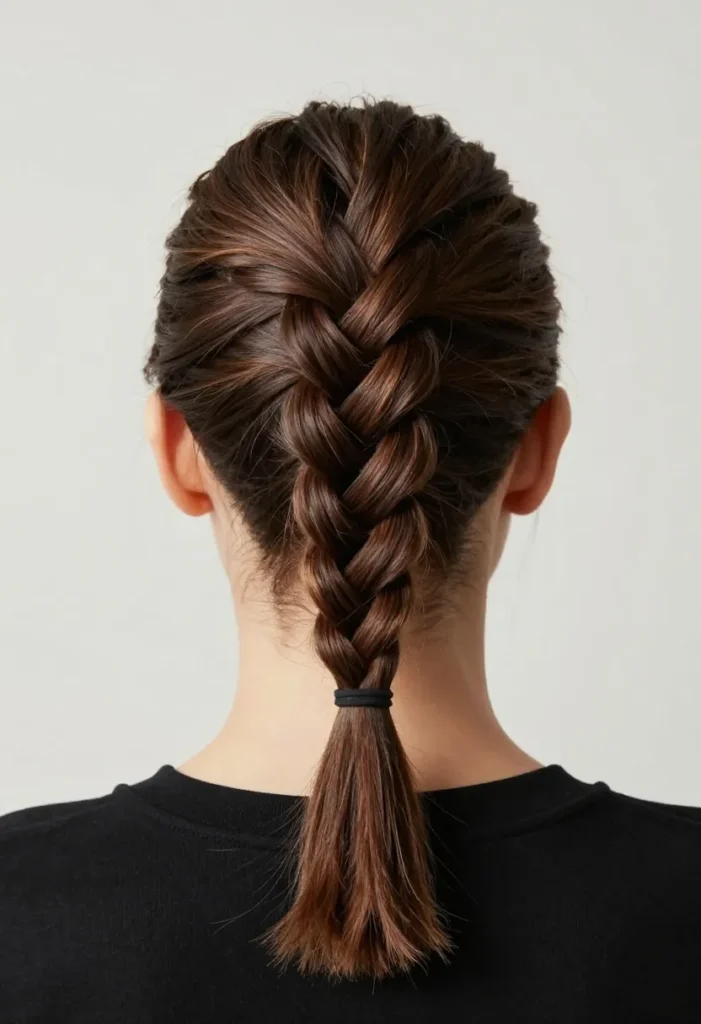
The Dutch Types of Braids is often called the “reverse French braid” or “inside-out braid,” and for good reason. While the technique is nearly identical to French braiding, the key difference lies in how you cross the sections: instead of crossing strands over the center, you cross them under. This simple change creates a dramatically different visual effect, with the braid appearing to sit on top of the hair rather than woven into it.
Styling Tip: Master the French Types of Braids first before attempting the Dutch Types of Braids, as the coordination is similar but reversed. Practice the “under, under, under” motion until it becomes second nature. Keep sections tight and tension even for a crisp, defined look. If you want extra volume and a softer finish, gently tug on the outer loops of the braid after completing it.
Best For: Athletic activities, festivals, casual outings, and making a style statement. Excellent for fine to medium hair that needs volume. Perfect for those who want a braid that stands out and creates visual impact. Particularly popular among younger demographics and active individuals.
3. Fishtail Braid
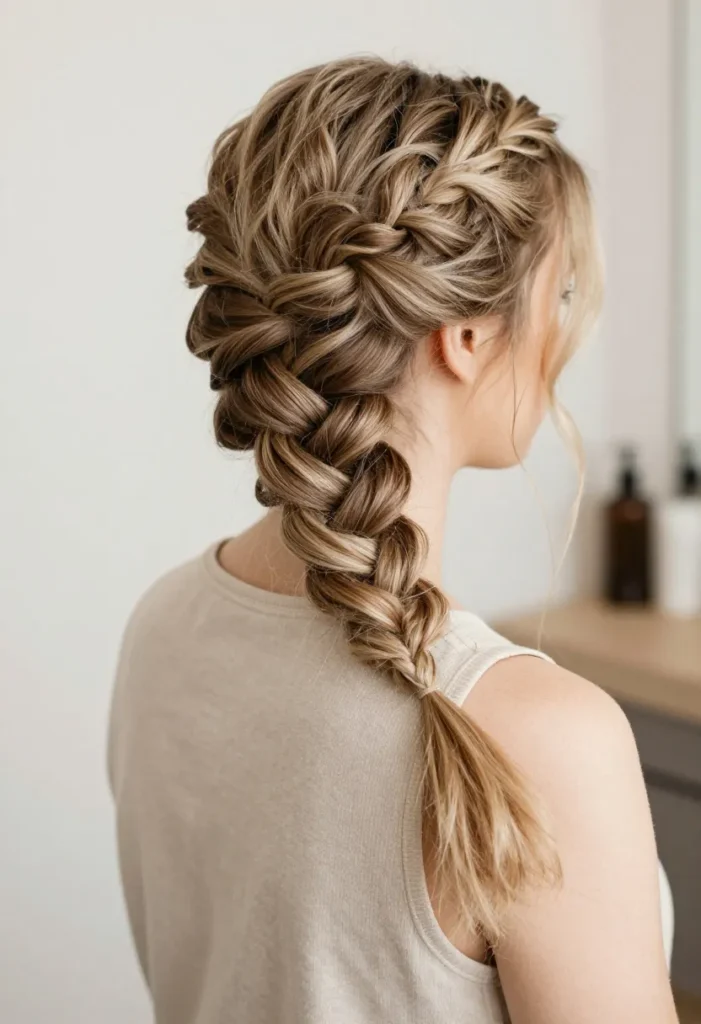
The fishtail Types of Braids creates an intricate, herringbone-like pattern that looks far more complex than it actually is. Despite its elaborate appearance, this braid uses only two sections of hair instead of the traditional three, making it surprisingly simple once you understand the technique. Small pieces from the outer edge of one section are crossed over to join the opposite section, repeated alternately down the length of the hair. This braid style became wildly popular in the early 2010s and has maintained its status as a go-to choice for those seeking an effortlessly chic appearance.
Styling Tip: Start with a regular ponytail to make the Types of Braids process easier, especially when learning. Take very small sections from the outer edges for a more defined, intricate look, or use larger sections for a quicker, chunkier result. The key is consistency in section size. Once completed, gently pull apart the Types of Braids sections to create width and a softer, more romantic appearance. A bit of texturizing spray beforehand helps grip, while a light hairspray afterward maintains the style without looking stiff.
Best For: Casual outings, beach days, music festivals, romantic dates, and bohemian-styled events. Works beautifully on medium to long hair with any texture. Perfect for those who want an intricate-looking style without advanced braiding skills. Especially flattering on wavy or highlighted hair where the pattern showcases dimension.
4. Crown Braid
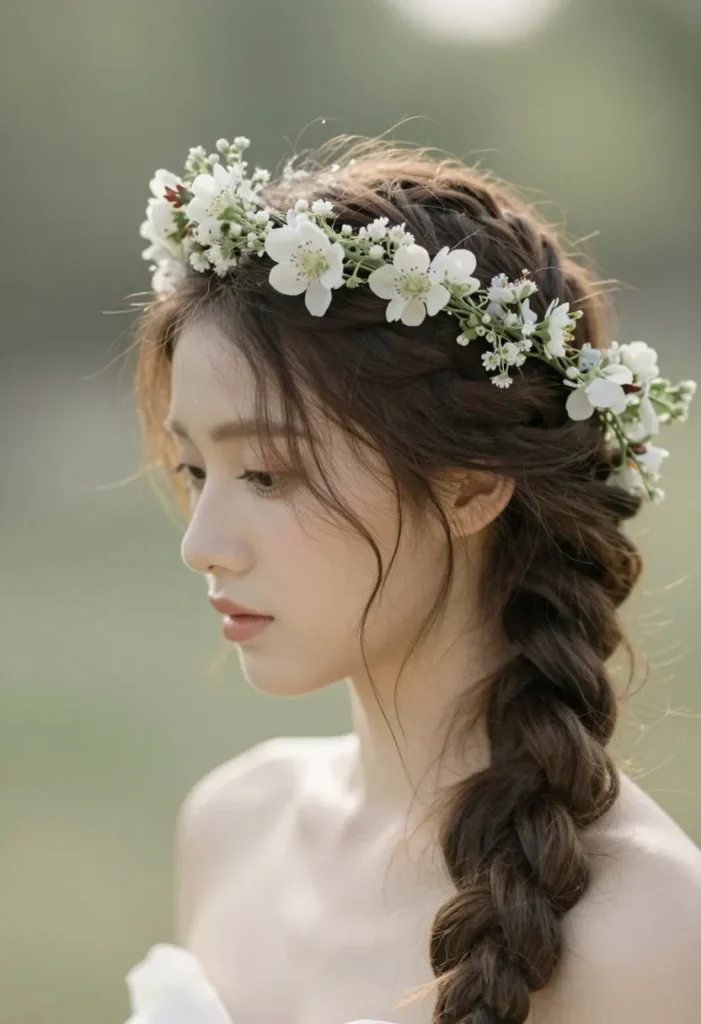
The crown braid, also known as a halo braid or milkmaid braid, encircles the head like a majestic coronet, creating an ethereal, romantic appearance worthy of royalty. This style can be achieved through several methods: braiding two separate plaits and pinning them across the crown, creating a continuous French or Dutch braid around the entire head, or wrapping a single long braid around the circumference of the head. What makes the crown braid particularly special is its regal, almost fairy-tale quality. Fresh flowers, decorative pins, or ribbons can be woven throughout to enhance the romantic effect.
Styling Tip: For the easiest approach, create two regular braids on either side of a center part, then wrap them across the top of your head and secure with bobby pins. Hide the ends by tucking them under the opposite braid. For a fuller look, gently pull sections of the braid to create volume before pinning in place.
Best For: Weddings, formal events, Renaissance fairs, festival settings, and romantic occasions. Ideal for medium to long hair of all textures. Perfect for those seeking an elegant, feminine style that keeps hair completely secured. Particularly beautiful on oval and heart-shaped faces, though adaptable for all face shapes.
5. Box Braids
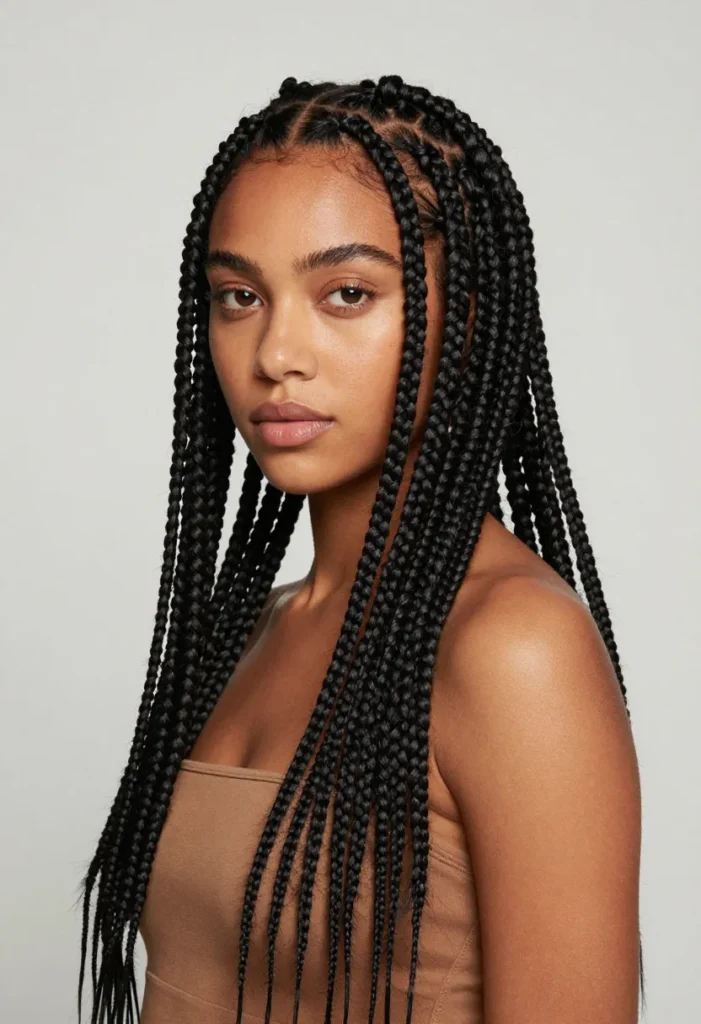
Box braids are individual plaits that are divided into perfect square or box-shaped sections across the scalp, creating uniform, geometric patterns that are both visually striking and incredibly practical. This iconic protective style has deep roots in African and African American culture, with each braid typically created using a three-strand technique and often incorporating synthetic hair extensions for added length, thickness, and longevity. Box braids come in various sizes, from jumbo (thick, dramatic braids) to micro (thin, delicate braids), with medium-sized braids being the most popular for their balance of style and manageability.
Styling Tip: Ensure your natural hair is freshly washed, deep conditioned, and completely detangled before installation. During the braiding process, avoid excessive tension at the roots, which can lead to traction alopecia and hairline damage. The braids should feel secure but never painful. At night, wrap your braids in a silk or satin scarf or sleep on a satin pillowcase to prevent frizz and preserve the style. Maintain your scalp by applying light oil and gently massaging every few days. Refresh edges with edge control as needed.
Best For: Anyone with natural textured hair seeking a long-term protective style. Perfect for busy lifestyles, travel, athletic activities, and low-maintenance routines. Ideal for those wanting to promote hair growth and length retention. Excellent for making a bold style statement and embracing natural hair culture. Particularly suitable for Type 3 and Type 4 hair textures.
6. Cornrows
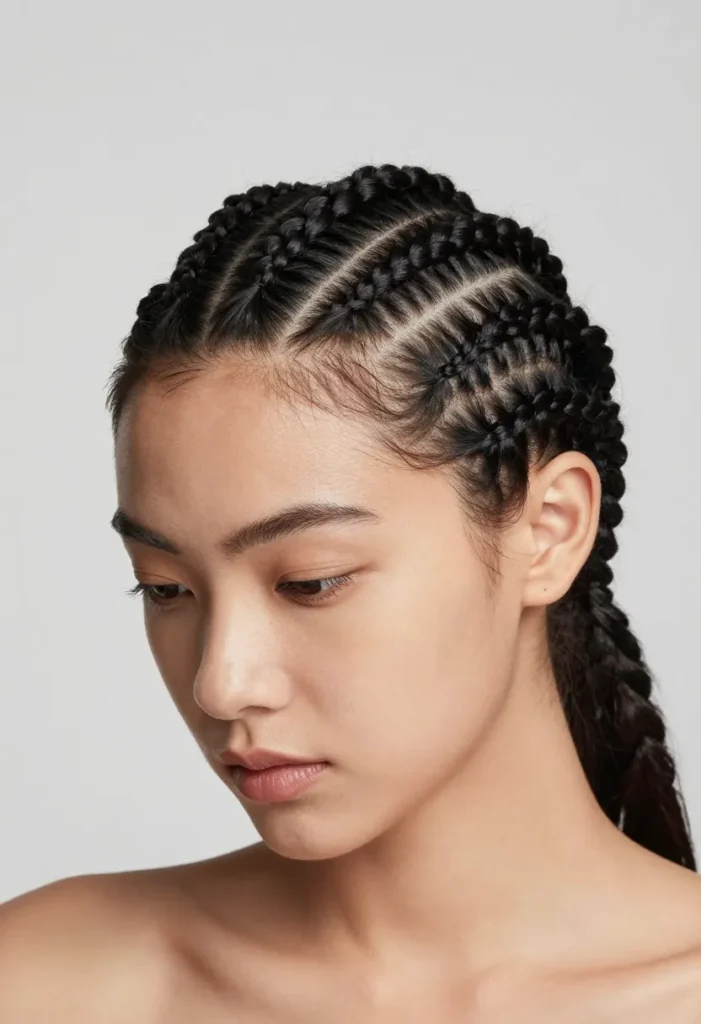
Cornrows are tight, three-strand braids that are braided extremely close to the scalp in continuous, raised rows that can create straight lines, curves, or intricate geometric patterns. This ancient African hairstyle has been worn for thousands of years and carries significant cultural importance, serving as a form of artistic expression, identity, and communication throughout history. Cornrows are one of the most effective protective styles available, keeping natural hair tucked away and shielded from manipulation and environmental damage for weeks at a time. They work for all hair lengths and can be done with just natural hair or enhanced with extensions for added length and fullness.
Styling Tip: Start with clean, moisturized, and detangled hair. Apply a leave-in conditioner and light oil to provide slip and moisture. Use a rat-tail comb to create precise, clean parts, and secure completed sections with clips to keep your pattern organized. Maintain consistent tension throughout each braid tight enough to be secure and long-lasting, but not so tight that it causes pain or pulls excessively on the hairline.
Best For: Natural textured hair seeking maximum protection and longevity. Perfect for athletes, swimmers, and those with extremely active lifestyles. Ideal for hot climates and vacation settings where low-maintenance styling is essential. Excellent for showcasing natural hair culture and making artistic statements. Works beautifully on Type 3 and Type 4 hair textures, though all textures can wear cornrows with appropriate products.
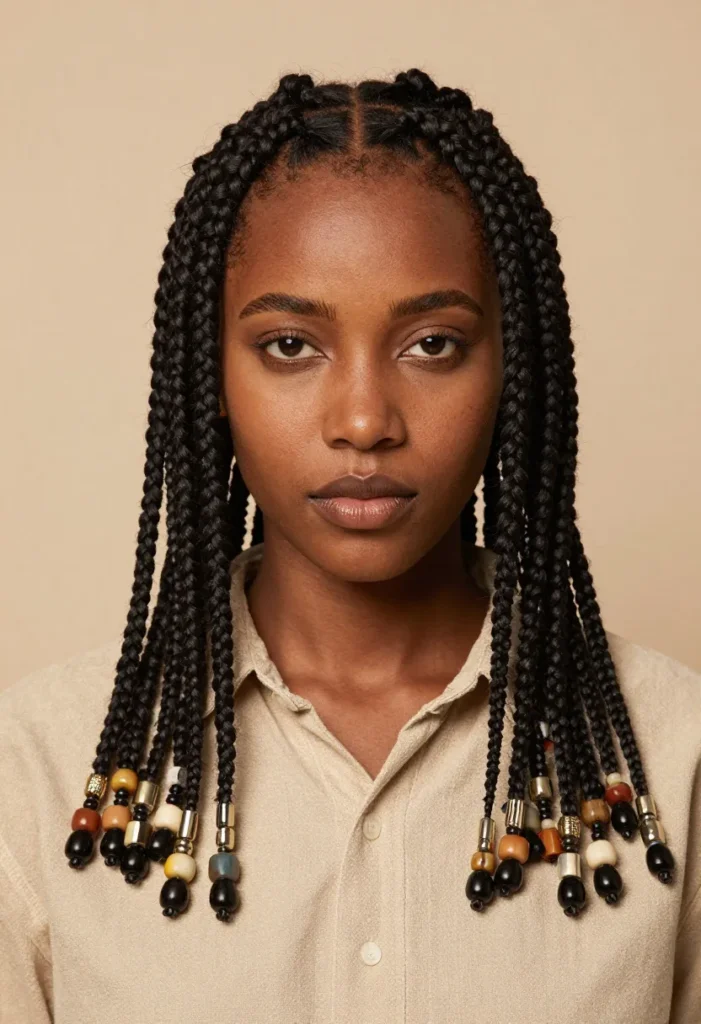
7. Fulani Braids
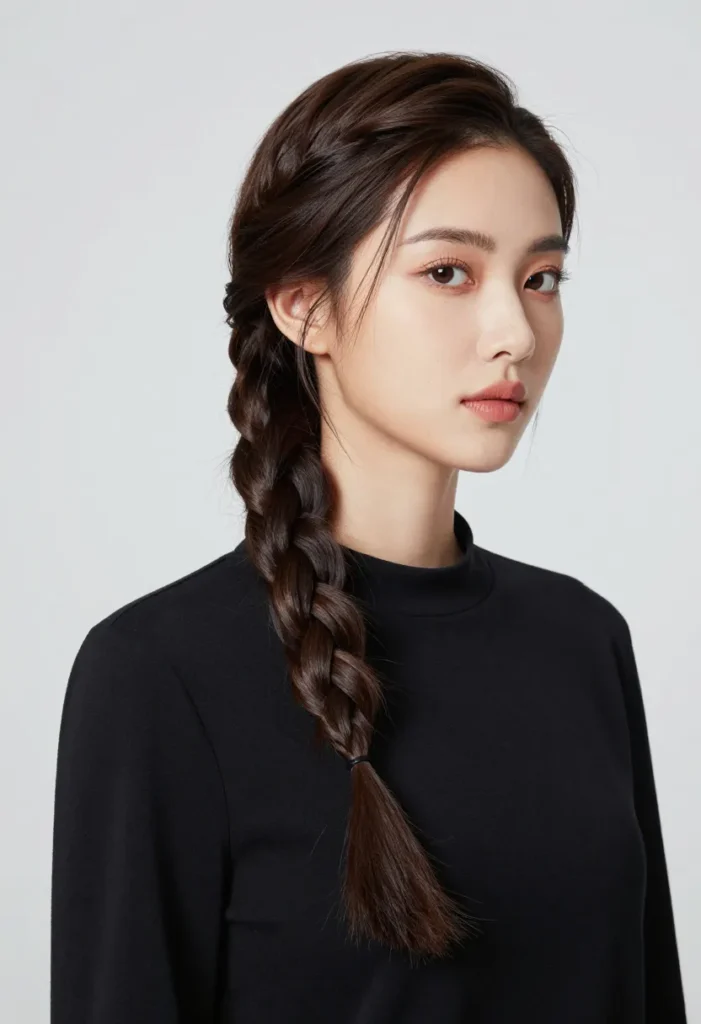
Fulani braids, named after the Fulani people of West Africa, are a distinctive braiding style that combines cornrows with loose braids, creating a unique hybrid look that’s both traditional and contemporary. The signature elements include a cornrow or braid down the center of the head, cornrows along the sides, and loose, flowing braids often adorned with beads, cowrie shells, gold cuffs, or thread wrapping. The ornamental aspect of Fulani braids is essential to their authentic appearance. Hair jewelry isn’t just decorative but carries cultural meaning, with specific beads and patterns traditionally indicating age, marital status, or tribal affiliation.
Styling Tip: Start with the signature center braid or cornrow first to establish your pattern, then work on the side cornrows, ensuring they’re angled slightly backward toward the loose braids that will hang at the sides and back. When adding beads or accessories, slide them on before securing the ends of braids to make application easier.
Best For: Those wanting to embrace and celebrate African heritage and culture. Perfect for festivals, cultural events, and making a distinctive style statement. Ideal for medium to long natural hair, particularly Type 3 and Type 4 textures. Excellent for anyone seeking a protective style with decorative flair and historical significance. Works beautifully for those who appreciate detailed, ornamental hairstyles.
8. Rope Braid
The rope braid, also called a twist braid, is one of the simplest yet most elegant braiding techniques, created by dividing hair into just two sections, twisting each section individually in the same direction, then wrapping them around each other in the opposite direction. This creates a thick, spiral rope-like appearance that’s both sturdy and visually striking. Rope braids work particularly well for those who struggle with coordination in traditional braiding or for quick styling when time is limited.
Styling Tip: The key to a successful rope braid is the opposing twist directions. First, twist each section clockwise (or both counterclockwise), then wrap them around each other in the opposite direction. This counter-twisting is what keeps the braid from unraveling. Keep consistent tension and twist tightly for a neat, defined rope.
Best For: Quick everyday styling, athletic activities, and those new to braiding. Perfect for all hair lengths from medium to long and works on all textures. Ideal when you need a put-together look in under five minutes. Excellent for creating quick ponytails or half-up styles. Particularly good for straight or wavy hair that might slip out of more complex braids.
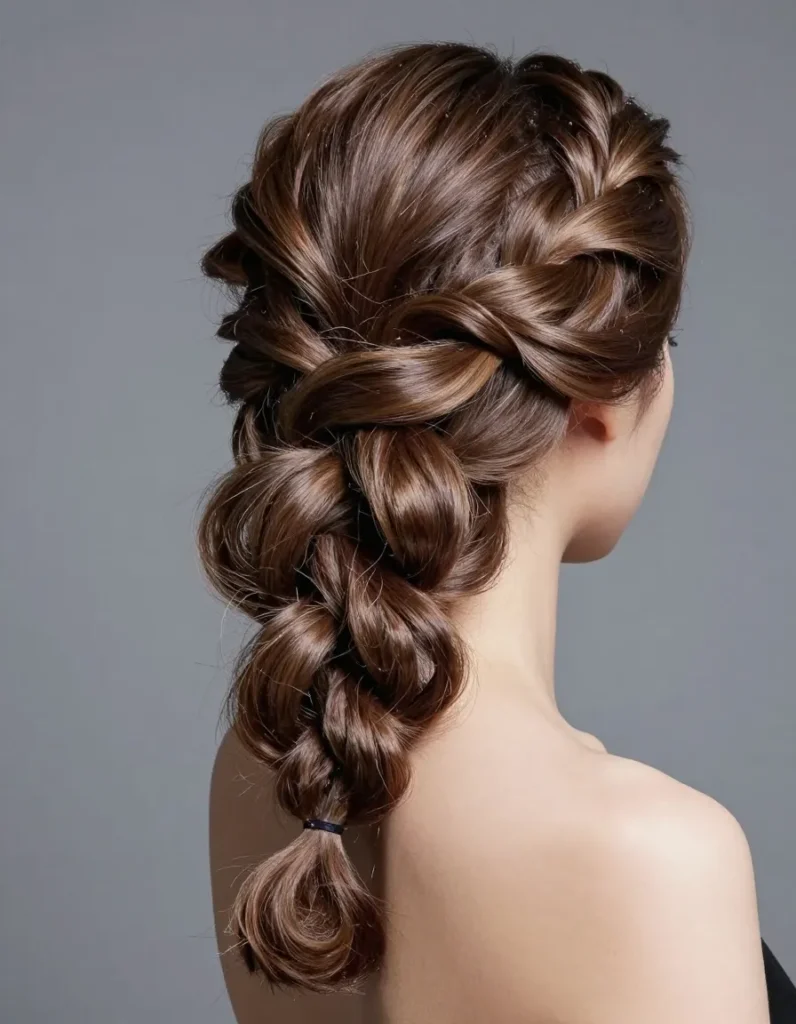
9. 3D Braid
The 3D braid is a showstopping technique that creates the illusion of three separate braids stacked on top of each other, though it’s actually one incredibly intricate braid with strategic strand placement. Also known as a stacked braid or multi-dimensional braid, this style involves working with four or more sections and using a specific crossing pattern that makes the central braid appear to float above the base. The 3D braid has gained popularity through social media platforms where hairstylists showcase their technical prowess.
Styling Tip: This is an advanced technique that requires practice and patience. Start by mastering four-strand braids before attempting the 3D braid. Watch detailed video tutorials multiple times and practice on willing friends before attempting on yourself. Work with slightly damp hair that has some grip. Keep all sections clearly separated and maintain consistent tension. Consider marking sections with small clips to avoid confusion.
Best For: Special occasions, competitions, photography sessions, and showcasing advanced braiding skills. Works best on medium to long, thick hair that can support the complex structure. Perfect for those who love intricate, eye-catching styles and don’t mind the time investment. Ideal for hairstylists looking to expand their repertoire or anyone wanting to make a memorable impression. Best suited for straight to wavy hair textures where the dimensional pattern shows most clearly.
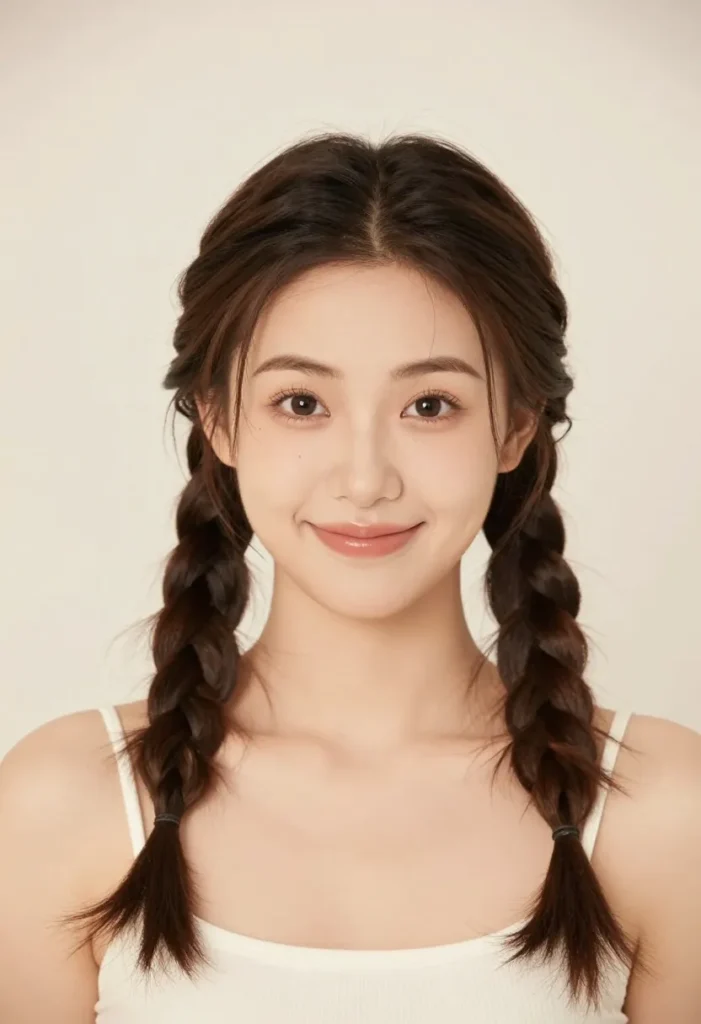
10. Pigtail Braids
Pigtail braids are the quintessential childhood hairstyle, featuring two braids that hang on either side of the head, typically parted down the center. While often associated with youth and innocence, pigtail braids have experienced a fashion renaissance, with adults embracing them as a playful, retro-inspired style that can be dressed up or down. Modern pigtail braids often incorporate contemporary elements like loose, deliberately messy textures, colorful ribbons, or asymmetrical placement. The style has been reclaimed by adults as a statement of playfulness and confidence, appearing on runways, in editorial spreads, and on celebrities who aren’t afraid to embrace a nostalgic aesthetic.
Styling Tip: Create a clean center part using a rat-tail comb for the most classic look, or try a slightly off-center part for a modern twist. Secure each side with an elastic at your desired height before braiding to ensure even placement. For a youthful, perky look, position the braids high on the sides of the head; for a more mature, bohemian aesthetic, braid low at or below ear level. Pull out a few face-framing pieces before braiding for a softer, more flattering effect.
Best For: Casual everyday wear, athletic activities, themed parties, and embracing a playful, youthful aesthetic. Perfect for all hair lengths from medium to long and works on all textures. Ideal for keeping hair completely controlled during sports or physical activities. Excellent for those who aren’t afraid to embrace a fun, nostalgic style. Particularly suitable for heart-shaped and oval faces.
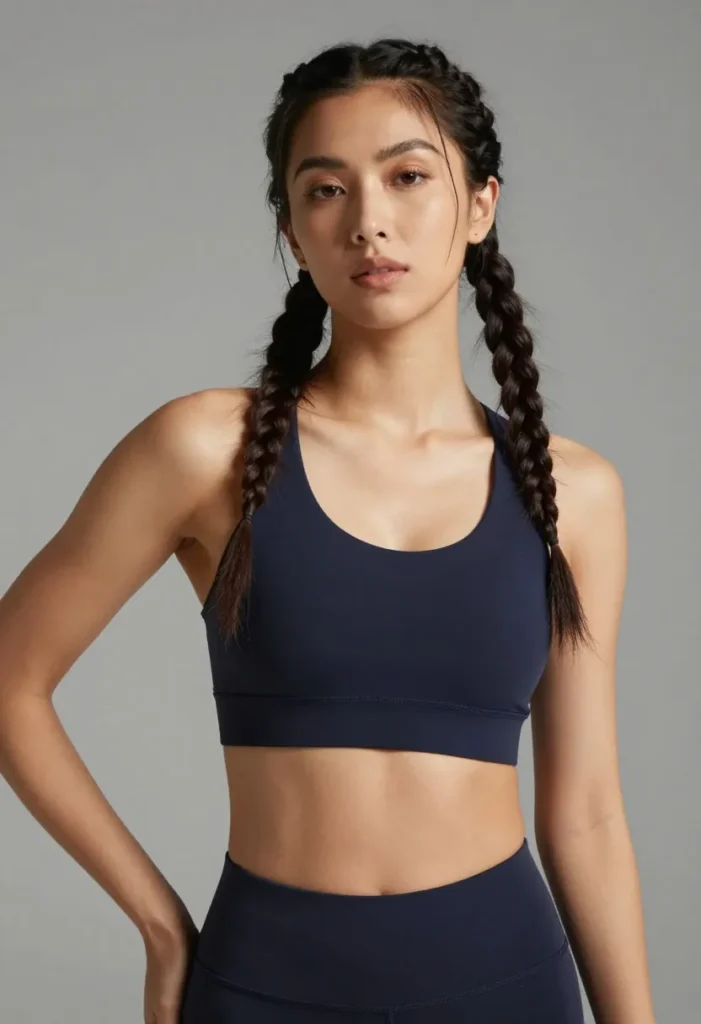
11. Boxer Braids
Boxer braids are essentially Dutch braids (reverse French braids) worn in pairs, creating two tight, raised braids that run along each side of the head. The name comes from their popularity among female boxers and MMA fighters who need extremely secure hairstyles that won’t come loose during intense physical activity. What started as a practical athletic style has become a mainstream fashion statement. Boxer braids exploded in popularity during the mid-2010s, transcending their athletic origins to become a street-style staple.
Styling Tip: Start with clean, slightly damp hair and apply a smoothing gel or mousse for maximum sleekness and hold. Create a precise center part from hairline to nape. Begin each Dutch braid right at the hairline for the most authentic boxer braid appearance. Braid tightly and consistently, pulling strands under rather than over to create the raised effect. Keep sections small and tension even throughout.
Best For: Athletic activities, gym sessions, intense workouts, and sports. Perfect for active lifestyles and anyone needing hair to stay completely secure. Ideal for straight to wavy hair that can be smoothed sleek. Excellent for making an edgy, sporty fashion statement. Works beautifully on diamond, square, and heart-shaped faces by emphasizing facial features. Particularly popular among younger demographics and fitness enthusiasts.
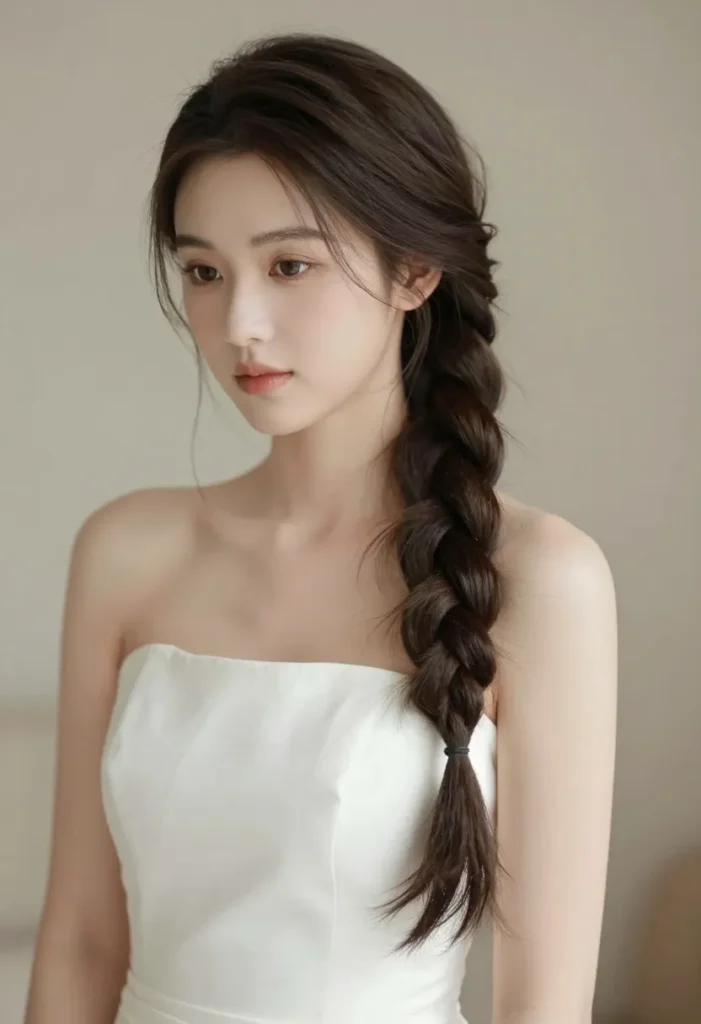
12. Side Braid
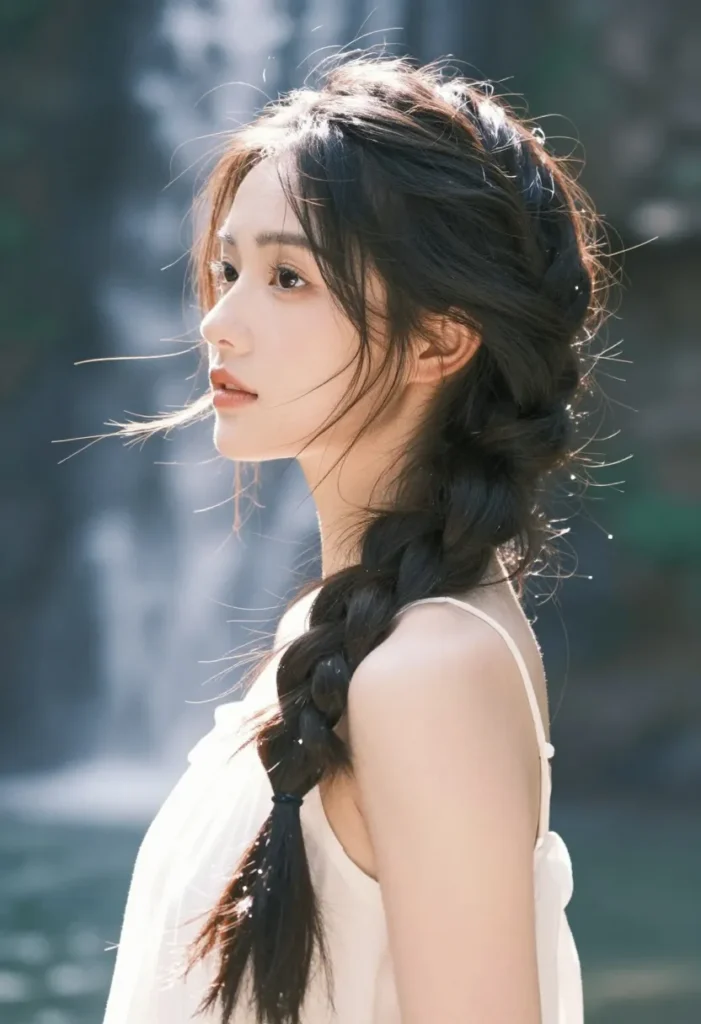
The side braid is a romantic, effortlessly elegant style where all hair is swept to one side of the head or neck and braided, creating an asymmetrical look that’s both flattering and feminine. This versatile style can be achieved with any braiding technique three-strand, French, Dutch, fishtail with each creating a different aesthetic effect. The asymmetry of a side braid is inherently flattering, drawing the eye in a diagonal line that elongates the neck and showcases the face. It’s one of the most photogenic braid styles, working beautifully in portraits and photographs where the braid drapes elegantly over one shoulder.
Styling Tip: Decide which side best flatters your face (typically opposite your natural part or whichever side you prefer to showcase). Gather all hair to that side and secure with a clear elastic at your desired height before beginning to braid this makes the process much easier. For a romantic, loose look, braid gently without excessive tension and pull apart sections afterward.
Best For: Romantic occasions, dates, casual outings, and everyday elegance. Perfect for all hair lengths from medium to long and works on all textures. Ideal for showcasing highlights, balayage, or ombré color. Excellent for those who want an elegant yet comfortable style. Particularly flattering on round and square faces by creating diagonal lines that elongate and soften. Works beautifully for weddings, both for brides and guests.
13. Mohawk Braid
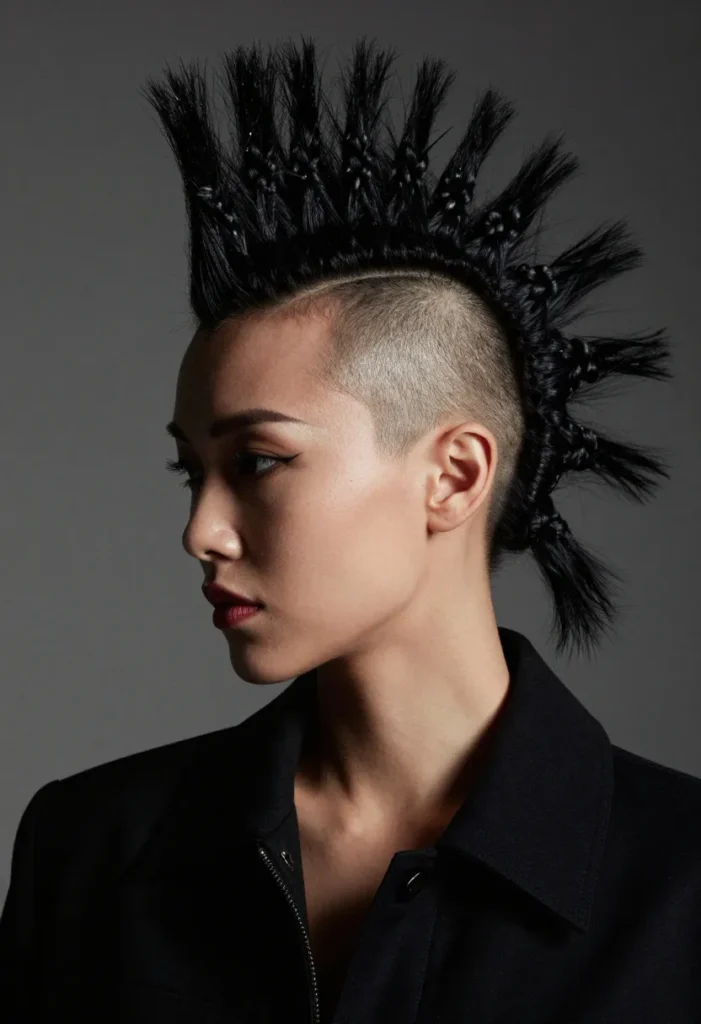
The mohawk braid is a bold, edgy style that emulates the appearance of a traditional mohawk hairstyle but uses braiding techniques instead of shaved sides. A central braid or series of braids runs down the center of the head from the hairline to the nape, while the sides are either cornrowed tightly against the scalp, left smooth and flat, or actually shaved for the most dramatic effect. The mohawk braid has become particularly popular in natural hair communities, where it’s often called a “faux-hawk” and created using cornrows or flat twists on the sides with the center hair left in its natural texture, twisted, or braided upward.
Styling Tip: Start by sectioning the center strip of hair from hairline to nape the width depends on how dramatic you want the effect. Secure this section with clips. Work on the sides first, creating tight cornrows, flat twists, or sleek brushed sections angled toward the back. Then focus on the center section, creating a Dutch braid for maximum height and prominence, or multiple braids for a more intricate look.
Best For: Making a bold statement, concerts, festivals, and alternative fashion contexts. Perfect for those with confidence and edge who aren’t afraid of attention. Ideal for medium to thick hair that can create volume in the center section. Excellent for natural hair textures that can be styled into elaborate designs. Works beautifully for oval and heart-shaped faces.
14. Lemonade Braids
Lemonade braids are side-swept cornrows that angle diagonally across the head, typically braided from one side toward the other, creating long, elegant braids that all flow in the same direction. The style was popularized and named after Beyoncé’s 2016 visual album “Lemonade,” where she wore these distinctive side-swept braids throughout the project, though the style itself has roots in traditional African braiding patterns. These braids carry cultural significance while also representing modern Black hair artistry.
Styling Tip: Plan your braid pattern before starting, marking where each braid will begin and angle. Start at the hairline on the fuller side and work systematically, angling each braid toward the opposite side. Maintain consistent tension and braid tightly for longevity. If using extensions, ensure they’re properly secured at the root and blended seamlessly with natural hair.
Best For: Those seeking a stylish protective style with cultural significance. Perfect for medium to long natural hair, especially Type 3 and Type 4 textures. Ideal for making a fashion statement while protecting natural hair. Excellent for busy lifestyles requiring low-maintenance styling.

15. Micro Braids
Micro braids are extremely small, delicate individual braids, typically about the thickness of a pencil lead or even thinner, installed throughout the entire head. This intricate protective style requires significant time investment often 8 to 12 hours or more but the results can last for months with proper maintenance, making them a popular choice for ultimate low-maintenance styling. Micro braids can be done with natural hair alone if it’s long enough, but are more commonly installed with synthetic braiding hair for added length and fullness. The extensions are carefully braided into natural hair using a three-strand technique, creating hundreds of individual braids across the scalp.
Styling Tip: Choose an experienced braider who specializes in micro braids, as improper installation can cause significant damage. Ensure braids aren’t installed too tightly, particularly at the roots you should never experience pain. Keep your scalp clean and moisturized by applying light oil with an applicator bottle directly to the scalp.
Best For: Anyone seeking a long-term protective style with maximum versatility. Perfect for those who travel frequently or have busy lifestyles with little time for daily styling. Ideal for promoting hair growth and length retention in natural hair. Excellent for those who want the styling options of loose hair while keeping natural hair protected.
16. Thick Braids
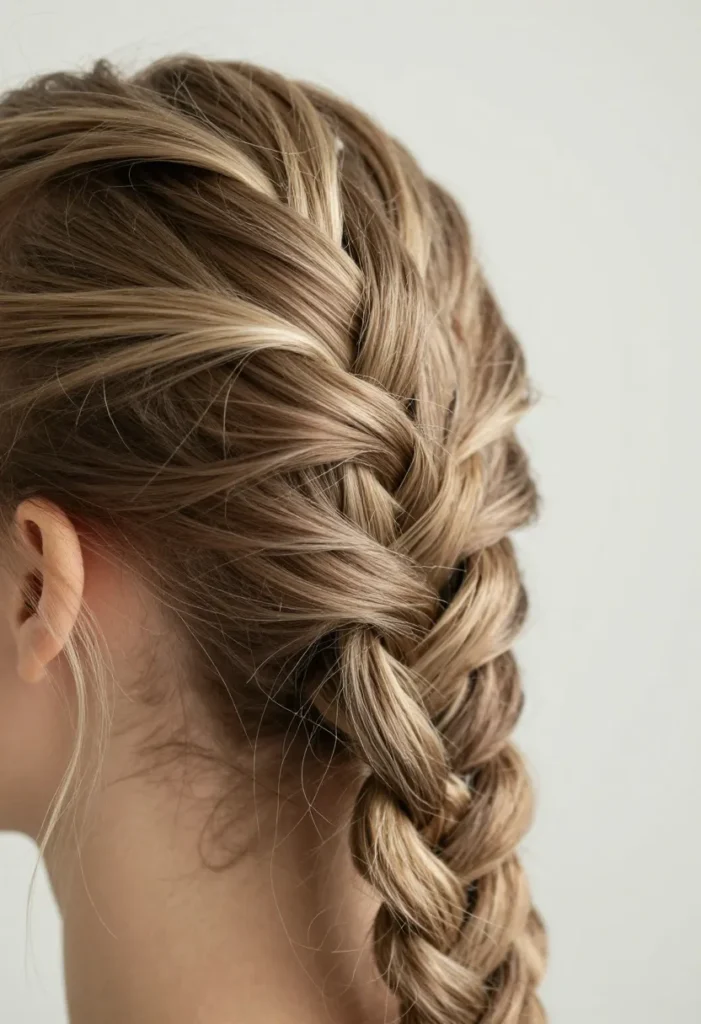
Thick braids, also called jumbo braids or chunky braids, are oversized braids created with large sections of hair, resulting in bold, dramatic plaits that make a strong visual statement. These braids can be created as individual box braids with extensions, large cornrows, or simply as one or two massive braids using all the hair. The defining characteristic is their substantial size and the bold aesthetic they create. Thick braids have a contemporary, fashion-forward aesthetic that’s particularly popular on social media and in urban fashion. They’re bold without being intimidating, protective without requiring extreme time commitment, and versatile enough to be styled in various ways.
Styling Tip: When using extensions for jumbo box braids, ensure sections are appropriately large too small, and the extension bulk becomes overwhelming. Braid firmly but not excessively tight to avoid tension headaches. Limit installation time by sectioning all hair before beginning to braid. For longevity, keep braids no longer than 4-6 weeks, as the weight can strain the hairline if left too long. Moisturize your scalp regularly and sleep on satin.
Best For: Those wanting a protective style without extensive time commitment. Perfect for making a bold fashion statement and embracing trendy aesthetics. Ideal for those who find smaller braids uncomfortable or too heavy. Excellent for naturally thick, strong hair that can support the weight. Works beautifully for social media content and fashion-forward occasions. Particularly popular among younger individuals and those embracing contemporary urban style.
17. Stitch Braids
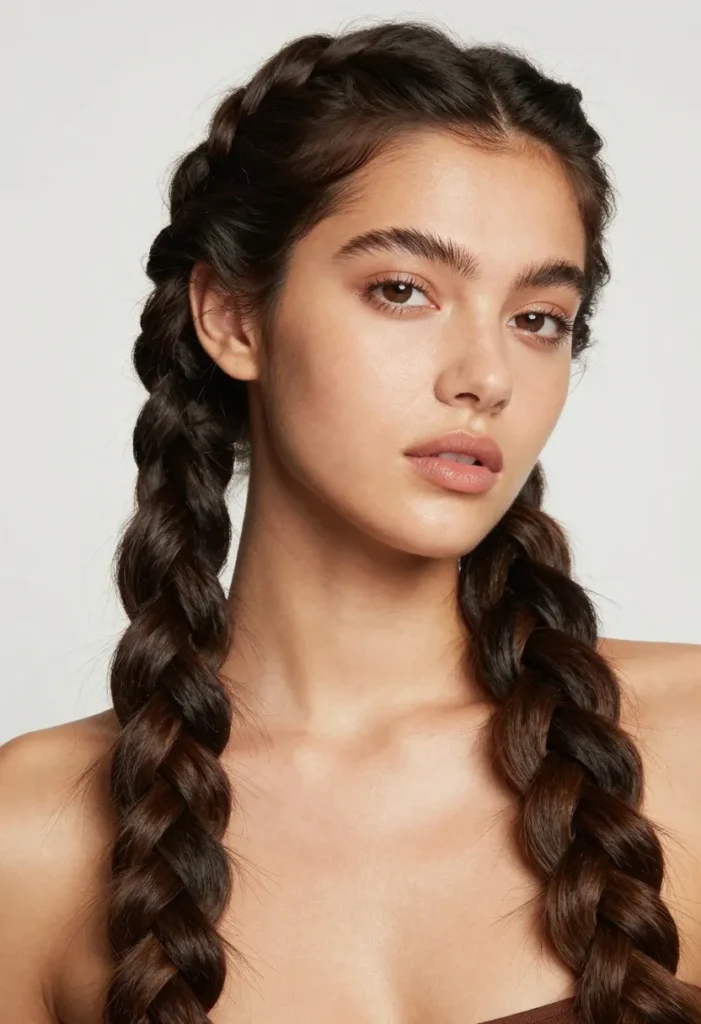
Stitch braids are a modern cornrow technique characterized by a precise, horizontal “stitched” pattern created with a rat-tail comb during the braiding process. As the braid is formed, the braider uses the comb to create clean, defined horizontal lines across each cornrow, resulting in a meticulously detailed, almost geometric appearance that resembles stitching or lacing.
Stitch braids can be created in various patterns straight back, curved, angled, or in complex geometric designs. They’re typically installed with extensions for length and fullness but can also be done with natural hair alone. The defining feature is always the visible horizontal stitching that runs along each cornrow, creating texture and definition.
Styling Tip: This is an advanced technique that requires professional expertise. If having stitch braids installed, choose a braider experienced in this specific method. The key to crisp stitches is using a fine-toothed rat-tail comb to create clean horizontal sections as each row is braided. Hair should be freshly washed, conditioned, and completely detangled.
Best For: Those seeking a modern, artistic take on traditional cornrows. Perfect for special occasions, photoshoots, and making a statement on social media. Ideal for showcasing skilled braiding craftsmanship. Excellent for natural hair, particularly Type 3 and Type 4 textures. Works beautifully for those who appreciate precision and detail in their hairstyles.
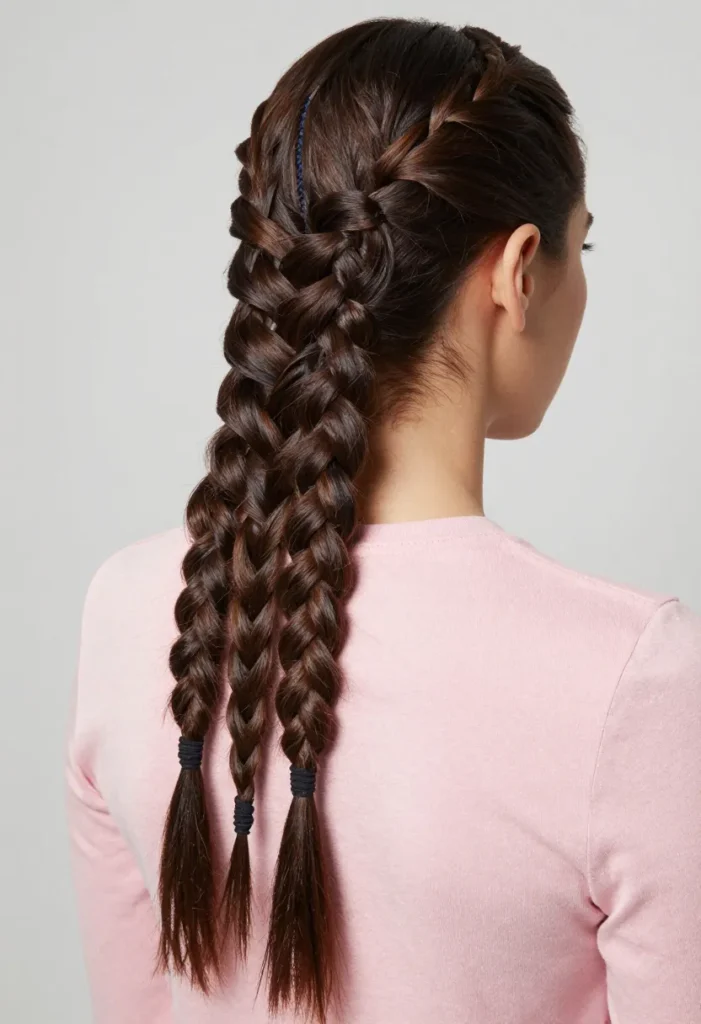
18. Crochet Braids
Crochet braids are a unique protective style where cornrows are first braided across the scalp in a specific pattern, then pre-made hair extensions are looped through the cornrows using a crochet needle or latch hook. Unlike traditional braids where extensions are braided into each section, crochet braids involve attaching already-styled hair to a cornrow base, creating the appearance of a full head of braids, twists, or even loose curly hair. Crochet braids have gained immense popularity because they provide the protective benefits and appearance of traditional braids with a fraction of the installation time and cost.
Styling Tip: Start with a solid cornrow foundation braided in the direction you plan to style the hair (usually straight back or in a beehive pattern for versatility). Ensure cornrows are flat, neat, and evenly spaced. When crocheting hair, insert the latch hook under a cornrow, loop the hair through, and secure with a knot.
Best For: Anyone seeking a quick-install protective style with endless variety options. Perfect for those wanting to experiment with different looks without long-term commitment. Ideal for beginners to protective styling who may not have the patience or budget for traditional braids.
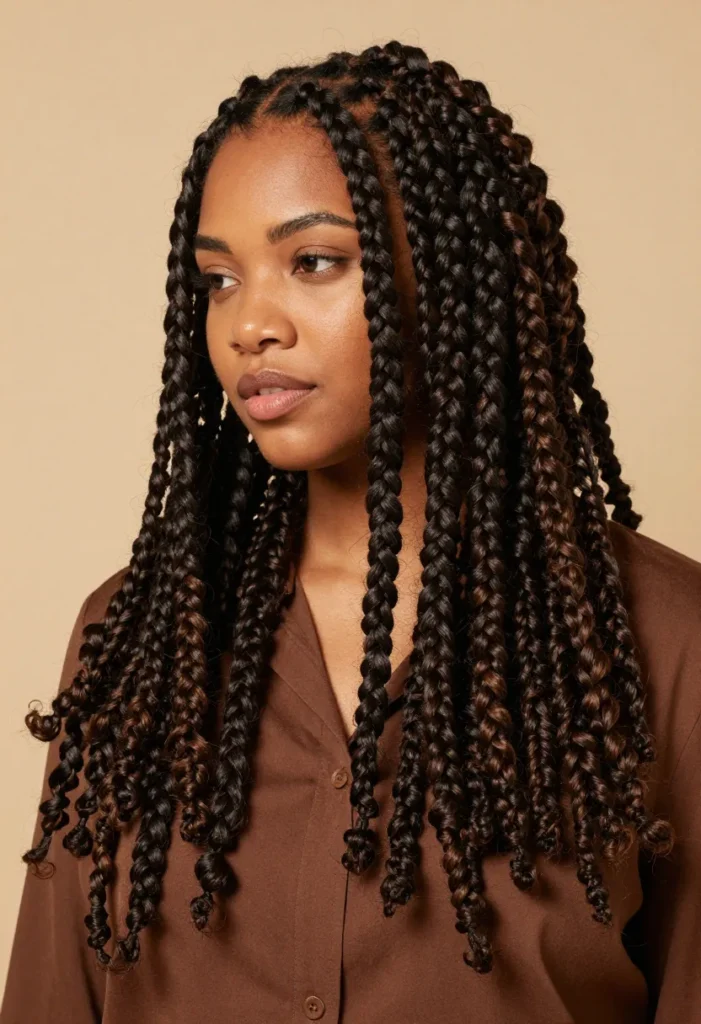
19. Bob Braids
Bob braids are any type of braided protective style cut to bob length, typically falling between the chin and shoulders. This modern take on traditional long braids creates a chic, sophisticated look that’s both trendy and practical. Box braids, twists, or even crochet braids can all be styled into a bob, with the shorter length offering fresh versatility compared to the traditional long braid aesthetic. Bob braids can be blunt-cut for a sharp, modern look or graduated for softer, more textured ends. They can incorporate middle parts, side parts, or no part at all.
Styling Tip: If installing box braids or twists, braid to the desired bob length initially rather than cutting afterward for the most even result. If you prefer cutting braids to create the bob, use sharp scissors and cut carefully in sections to ensure evenness. For a blunt bob, cut straight across; for a more textured, piece-y look, use point-cutting techniques.
Best For: Professional environments, those seeking a manageable protective style, and anyone wanting a fresh, contemporary look. Perfect for those with neck or scalp sensitivity who find long braids heavy or uncomfortable. Ideal for warmer climates where shorter styles are more comfortable.
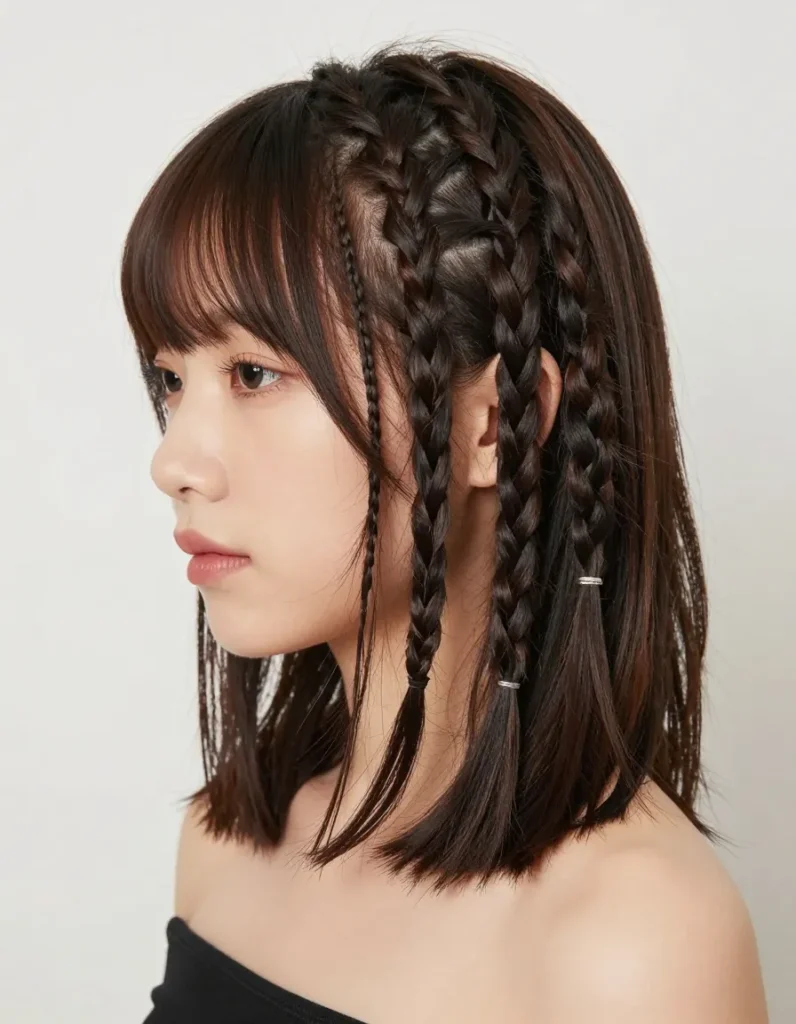
20. Waterfall Braid
The waterfall braid is a romantic, intricate style where sections of hair are continuously dropped and replaced as you braid, creating the illusion of hair cascading through the braid like a waterfall. This technique is essentially a modified French braid where instead of carrying all three strands through the entire braid, you drop the bottom strand at each crossing and pick up a new section to replace it. This braid style showcases hair color beautifully, particularly highlights and balayage, as the dropped strands create natural-looking dimension and movement.
Styling Tip: Start with slightly curled or waved hair for the most romantic effect the loose strands falling through the braid will have beautiful texture and movement. Begin at the front near the part and work horizontally across the head. The technique requires practice: cross the top strand over the middle, then instead of crossing the bottom strand up, drop it completely and pick up a new section from below to replace it.
Best For: Romantic occasions, weddings, proms, date nights, and special events. Perfect for medium to long hair that’s straight or slightly wavy. Ideal for showcasing hair color, particularly highlights and dimensional coloring. Excellent for those wanting an intricate-looking style that allows hair to remain mostly down.
Essential Tips for 20 Types of Braids
1. Regular Trims
Even when wearing different types of braids, regular trims are important to keep hair healthy. Trimming removes split ends, which helps braids look neater and last longer. Healthy ends also prevent frizz and breakage while your hair is braided.
2. Use the Right Styling Products
Choosing the right products makes a big difference for all braid styles. Lightweight oils, leave-in conditioners, and braid creams keep hair moisturized and smooth. Avoid heavy products, as they can cause buildup and make braids look dull.
3. Add Volume When Needed
Some braid types can look flat over time, so adding volume helps refresh the style. Gently loosen the braids or use a light texturizing spray for a fuller look. Volume adds dimension and makes braided hairstyles appear more stylish and fresh.
FAQs
Conclusion
Braiding is so much more than a hairstyling technique it’s an ancient art form, a cultural tradition, a practical solution, and a powerful form of self-expression all woven together. From the intricate cornrows that have adorned African heads for millennia to the romantic waterfall braids gracing modern wedding celebrations, braids connect us to our past while allowing us to create our own unique present. Throughout this guide, we’ve explored 20 diverse braid styles, each with its own character, purpose, and beauty.
Whether you’re drawn to the protective benefits of box braids, the classic elegance of a French braid, the bold statement of a mohawk braid, or the romantic charm of a crown braid, there’s a style waiting to become part of your personal repertoire. The versatility of braiding means you’re never limited to just one look you can adapt your style to match your mood, occasion, and evolving sense of self. Remember that mastering braids is a journey, not a destination. Start with simpler techniques like three-strand braids or rope braids, building your confidence and muscle memory before progressing to more complex styles.


